Affordable Wall Sculptures: Elevate Your Interior Style

Intro
Affordable wall sculptures present an exciting opportunity for homeowners and designers seeking to enhance interior aesthetics without a hefty price tag. They offer a unique blend of art and decor, capable of transforming a plain wall into a focal point of interest. In this discussion, we will explore various aspects of wall sculptures, highlighting both their artistic value and the budget-friendly options available in today's market.
Throughout this exploration, we’ll examine different materials and styles that can cater to various tastes, guiding readers to make selections that reflect their personal style. Understanding the significance of a well-selected sculpture goes beyond mere decoration; it illustrates an artistic thought process that can uplift the entire atmosphere of a room. We will emphasize how these artworks contribute to the overall narrative of a space, ensuring that every choice made resonates well with the homeowner's vision.
By focusing on affordable options, we aim to debunk the myth that artistry must come at a steep price. Instead, this article serves as a valuable resource for both seasoned decorators and those beginning their design adventure. Through practical tips and insightful sourcing strategies, our readers will be well-equipped to navigate the realm of affordable wall sculptures with confidence.
Understanding Wall Sculptures
When looking to elevate the aesthetic appeal of an interior, wall sculptures offer a unique dimension to any space. They serve not just as decorations but as statements that reflect the personality and style of those who inhabit the space. The importance of understanding wall sculptures lies in their ability to both transform environments and evoke emotions. Unlike traditional paintings, these three-dimensional art forms can create shadows, shapes, and textures that add depth to plain walls. This article aims to delve into various elements—all while staying mindful of budget constraints—that make wall sculptures significant in interior design.
Definition and Significance
Wall sculptures are art pieces designed to be affixed to walls, often providing a more tactile and visceral experience than their two-dimensional counterparts. They can be made from a multitude of materials, each contributing its own character and energy to a room. From metals to wood, these sculptures can range from intricate, lavish designs to more simplistic abstract forms.
The significance of wall sculptures in an interior cannot be understated. They act as focal points, drawing the eye and adding an element of interest to walls that might otherwise go unnoticed. When chosen thoughtfully, a wall sculpture can complement or contrast with existing decor, adding balance and harmony to a room.
Additionally, wall sculptures enable homeowners and designers to express creativity and personal style without needing a complete overhaul of their space. Unlike full wall murals or major renovations, these pieces can easily be swapped out. Moreover, affordable wall sculptures allow individuals to curate their environments without breaking the bank, democratizing aesthetic enjoyment for all.
Evolution of Wall Art
Historically, wall art has undergone significant transformations, adapting to cultural practices, technological advances, and artistic movements throughout the ages. Beginning with prehistoric cave paintings, the act of decorating walls has roots that are deep and varied. Civilizations like the Egyptians used bas-reliefs, while the Greeks and Romans developed more sophisticated techniques to showcase their prowess in realism and form.
Fast forward to the 20th century, we started seeing a shift toward expressive forms in the wake of movements like Cubism and Surrealism. Artists began to explore materials outside the traditional realm of canvas and paint. Sculptors like Henry Moore and Jean Arp experimented with large-scale works that challenged viewers’ perceptions of space.
Today, the evolution of wall art encompasses technological innovations such as 3D printing and laser cutting, which allow for unprecedented creativity in design. The rise of sustainability has also led many contemporary artists to incorporate recycled materials into their wall sculptures, engaging in a dialogue about art and ecology. The shift toward affordable alternatives in wall sculptures reflects an ongoing democratization of art, making it accessible to a broader audience.
In understanding wall sculptures and their journey through time, we recognize how they not only reflect societal values but also shape the spaces we inhabit. As this exploration unfolds, the benefits and considerations surrounding the choices in wall sculptures will reveal the possibilities for stylish, yet economical interior design.
Diverse Materials and Their Aesthetic Value
When it comes to enhancing the visual appeal of your space, wall sculptures offer a unique avenue for self-expression and creativity. Selecting the right material can significantly influence not only the aesthetics but also the overall feel of the interior. Each material brings its distinct texture, color, and emotional resonance to a room. Understanding these diverse materials is essential for homeowners, designers, and decorators striving to create cohesive and stylish interiors.
Metal Wall Sculptures
Metal wall sculptures stand out for their durability and versatility. They can be crafted from various metals, including steel, aluminum, or bronze, resulting in a myriad of finishes. For instance, an anodized aluminum piece might reflect light beautifully, whereas a rusted steel sculpture adds an industrial edge.
Metal sculptures can resonate with different design movements. A sleek, geometric pattern might complement a modern decor, while intricate, wrought designs may suit a more traditional setting. The substantial weight of metal can create a bold presence, and the right lighting can transform their appearance dramatically, highlighting their textures and contrasts.
- Benefits: Durable, unique finishes, various styles available.
- Considerations: Weight may necessitate secure hanging techniques.
Wooden Sculptures
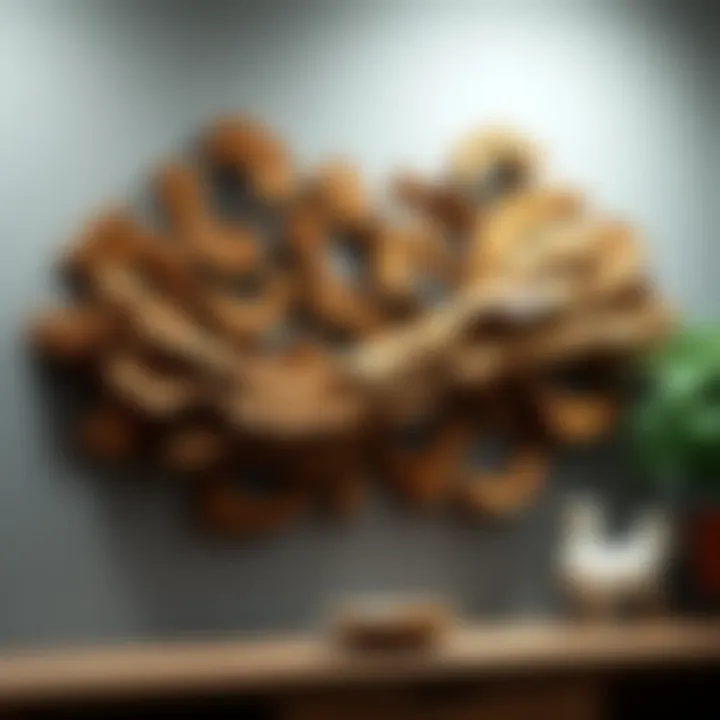
Wooden sculptures possess an organic quality often associated with warmth and nature. Different wood types, like oak, pine, or even reclaimed wood, offer diverse grains and colors, enabling a range of styles from rustic to contemporary. For example, a finely polished walnut piece could serve as a statement in a modern living area, while a rough-hewn pine sculpture might add charm to a farmhouse-style space.
The tactile nature of wood invites interaction, and it can also absorb sound, contributing to a quieter atmosphere. This makes wooden sculptures not just decorative elements but also functional ones. Plus, using sustainable wood can appeal to eco-conscious homeowners.
- Benefits: Warm ambiance, sustainability, sound absorption.
- Considerations: Requires proper maintenance to avoid damage from moisture.
Clay and Ceramic Options
Clay and ceramic sculptures come in a broad spectrum of colors and shapes. Often, they carry the marks of their handcrafted nature, which can imbue any space with a sense of artistry. Whether it’s a sleek porcelain piece, reminiscent of minimalist design, or vibrant earthenware that sparks joy, these materials can drastically alter a room's vibe.
The diverse glazing techniques and finishes can highlight intricate details, making clay and ceramic sculptures visually striking. Not to mention they're typically lightweight, which provides flexibility in placement. However, they can be more fragile than other materials, necessitating careful handling and placement.
- Benefits: Artistic expression, lightweight, diverse colors.
- Considerations: Fragile and may chip or break.
Mixed Media Works
Mixed media sculptures combine different materials to create innovative designs. These could involve a blend of metal, wood, fabric, and even electronic components. The fusion of these materials often leads to unexpected aesthetics that catch the eye. For instance, a piece that merges reclaimed wood with vibrant painted metal can become an exciting focal point in a room.
This form of art allows for greater creativity and adaptability. It challenges traditional perceptions of what wall art can be, leading to personalized decor that feels unique. Because they can sometimes tell a story or evoke a thought, mixed media pieces often invite conversation.
- Benefits: Uniqueness, storytelling potential, diverse materiality.
- Considerations: Unpredictable durability depending on material combinations.
“The choice of material is not merely about appearance; it speaks volumes about the energy and narrative you wish to convey in your space.”
In summary, the richness of materials guides the creation and selection of wall sculptures that can elevate any interior design. Understanding their specific characteristics and how they interact with other decor elements allows for well-informed choices that enhance the atmosphere of a space.
Artistic Styles in Wall Sculptures
Artistic styles play a crucial role in defining the aesthetic character of wall sculptures. They serve not only as decoration but also as expression. An effective choice in style can evoke emotions, reflect personal identity, or harmonize with the existing interior design theme. When selecting wall sculptures, understanding these styles helps homeowners, designers, and decorators align their choices with the desired atmosphere and purpose of the space.


Each artistic style brings its unique flavor, enriching the visual experience in a home or commercial setting. Considerations such as the existing color palette, theme of the room, and individual taste become pivotal in this selection process. Within the broader category of artistic styles, each segment reveals distinct characteristics and appeals which we will explore further, ensuring that the choices made are not just stylish, but also meaningful.
Abstract Designs
Abstract designs in wall sculptures embrace the beauty of shapes, lines, and colors that might not directly represent objects in the real world. They have the power to engage the viewer's imagination and provoke thought, making them suitable for spaces that aim to inspire creativity. Whether it is a metal sculpture composed of intertwining geometric shapes or a wooden piece carved into fluid forms, abstract art resonates with many due to its open interpretation.
- Benefits:
- Considerations:
- Encourages imagination, allowing for personal interpretation.
- Can match various color schemes, creating harmony in eclectic spaces.
- Choose sizes and styles that complement other decor elements to avoid clutter.
- Be aware that some viewers may find abstract pieces perplexing.
Nature-Inspired Themes
Nature-inspired themes in wall sculptures often seek to bring the beauty of the outdoors inside. Think of delicate leaves cast in metal or a relaxed depiction of birds carved from wood. These designs celebrate the organic forms found in nature—they can evoke serenity and connection with the environment.
- Benefits:
- Considerations:
- Ideal for creating a calming atmosphere, particularly in spaces meant for relaxation.
- They can serve as a conversation starter about nature and conservation.
- Careful selection of such themes is vital; some might prefer a more abstract representation rather than direct imitations.
- Ensure the color tones align with the overall color scheme of a room.
Cultural Influences
Cultural influences in wall sculptures often connect different eras, traditions, and geographical locations. These pieces can narrate stories of heritage or express the collective memory of a community. From African tribal masks to Asian-inspired sculptures, they enrich the cultural tapestry of interiors.
- Benefits:
- Considerations:
- They offer a rich historical context and can serve to educate others about different cultures.
- Unique and often hand-crafted pieces can be a wonderful way to add authenticity to a space.
- Be sensitive to cultural appropriation; ensure the pieces are sourced respectfully.
- Balance such elements with modern decor to maintain a cohesive design.
Wall sculptures provide an excellent vehicle for artistic expression and storytelling, connecting people to both personal and shared histories.
The Role of Color in Wall Sculptures
Color plays a pivotal role in wall sculptures, wielding the power to influence mood, create visual interest, and harmonize with surrounding decor. When pulling together a room's aesthetic, the chosen colors of these art pieces can either complement or conflict with other elements in the interior design. A well-selected color scheme enhances the overall impact of a sculpture, turning a simple wall piece into a conversation starter.
In this section, we will delve into how color schemes can affect the look and feel of your space, along with strategies for choosing the right palette that suits both your style and your interior's ambiance.
Impact of Color Schemes
Colors can evoke emotions and set a tone in an environment. For instance, vibrant hues like reds and yellows often generate a feeling of energy and warmth, while cool tones like blues and greens can bring calmness and serenity.
Some considerations regarding the impact of color schemes include:
- Mood Enhancement: Bright colors may uplift spirits, making them ideal for spaces intended for social interaction such as living rooms.
- Balance and Harmony: Neutral tones can act as a backdrop, allowing bolder sculptures to stand out without overwhelming the decor.
- Contextual Relevance: The surrounding colors of a room should be considered as wall sculptures can reflect a thematic style or cultural background.
When selecting sculptures, consider the existing palette of your room. A rust-colored metal sculpture could resonate beautifully in a space with tan walls and green accents—creating a cohesive atmosphere that feels thoughtful rather than haphazard.
Choosing the Right Palette
Selecting the right colors for wall sculptures involves more than mere preference; it’s about ensuring that these choices resonate with your personal style and the overall design ethos of your home. Before making a decision, reflect on the following:
- Identify Your Style: Are you drawn to minimalist aesthetics with monochrome shades, or do you prefer a more eclectic mix of colors? Knowing your personal style is key.
- Consider the Room’s Purpose: A home office might benefit from cooler tones, whereas a playroom could call for a lively pop of colors.
- Acknowledge Lighting Conditions: The way colors appear can drastically change depending on the light source. Test how different colors look at various times of the day.
- Utilize Color Wheels: Understanding complementary and analogous colors can guide you in creating striking combinations.
By taking these elements into account, selecting sculptures becomes not just an aesthetic decision but an evocative process that allows personal expression while enhancing overall decor.
"Color is the keyboard, the eyes are the harmonies, the soul is the piano with many strings." - Wassily Kandinsky
Affordable Sourcing Strategies
Finding the right wall sculpture doesn’t have to break the bank; it can be an adventure in creativity and discovery. Sourcing affordable wall sculptures is pivotal in transforming your space into a reflection of your style and brings uniqueness without draining your wallet. This section emphasizes specific strategies, highlighting options that cater to diverse budgets and personal tastes. When it comes to sourcing, it’s not just about price – it's about finding a narrative and pieces that resonate with your home.
Local Artisans and Markets
Exploring local artisans and markets is one of the most rewarding ways to source affordable wall sculptures. These venues often present a myriad of one-of-a-kind pieces that are not only stylish but come with the added bonus of supporting local talent.
In many towns, art fairs and local craft markets pop up regularly, offering artisans a platform to showcase their works. This means you’re likely to stumble upon hidden gems that can’t be replicated. Often these artists are inspired by their community, creating pieces rich with local culture and history. Furthermore, speaking directly with the creators enables you to understand their inspiration and process, adding a personal touch to your purchase.
"Finding artwork that speaks to you can often be a more fulfilling experience if you can connect with the creator behind the piece."
Additionally, local stores often feature work from nearby artists. This allows you to support your community while elevating your decor game. Consider visiting places like farmers markets or community art gatherings where artwork and conversations flow in tandem. Not only can you negotiate prices, but you also might end up with a story to tell about your piece.
Online Marketplaces and Auctions
In this digital age, online marketplaces have revolutionized how we discover and acquire wall sculptures. Websites like Etsy, eBay, or even Facebook Marketplace offer an extensive range of options at varying prices, making it easier than ever to find something that fits your budget and style. The advantage of these platforms is the sheer variety they offer, which is significantly broader than most local stores.
Engaging in online auctions can also yield remarkable finds. Often, you can acquire unique pieces at prices well below their typical market value. This method not only allows you to place your bid on items you love but can also spark joy in the thrill of the chase. Remember to do your research and read seller reviews to ensure you're getting quality for your money.
Key Points for Consideration:
- Always check shipping and handling fees—these can sneakily increase the total cost.
- Look for return policies; this ensures that you can send back any item that doesn't meet your expectations.
Thrift Stores and Garage Sales
Don’t underestimate the hidden potential lying within thrift stores and garage sales. This unconventional route can often lead to extraordinary discoveries. Many thrift shops receive donations of art pieces that are often overlooked—but, remember, one person’s discarded item is another person’s treasure.
When scouring these places, it’s essential to keep an open mind. Sometimes, you might find a frame you want to repurpose or a piece that needs a little TLC to shine again. You never know, you might come across a vintage sculpture begging for a new lease on life. Local garage sales and neighborhood flea markets are also exceptional venues for finding affordable wall sculptures.
Tips on Hunting for Treasures:
- Visit multiple times to increase your chances of spotting new items.
- Don’t shy away from bargaining; often, sellers are willing to negotiate prices.
Incorporating Wall Sculptures into Interior Design
Incorporating wall sculptures into interior design is more than just an aesthetic choice; it is a catalyst for transforming ordinary spaces into extraordinary experiences. Wall sculptures offer unique dimensions and textures that can completely alter the ambiance of a room. The interplay of light and shadow created by these sculptures adds depth and visual interest, fostering a more dynamic and inviting environment.
When considering the integration of wall sculptures, one should think not only about the artwork itself but also about how it interacts with the surrounding space. A carefully selected sculpture can draw attention, making it the centerpiece of a room or harmoniously blend with existing decor, enhancing the overall theme.
Creating a Focal Point
Every room has the potential for a stunning focal point that captures the eye and sparks interest. Wall sculptures serve this purpose beautifully. By placing a striking sculpture at eye level, you create an anchor in the room that can set the conversational tone. For instance, a bold, abstract metal sculpture in a minimalist living area can act as a statement piece, breaking the monotony of flat walls and creating excitement. Think of it like a cherry on top of an already delectable dessert.
Moreover, strategically positioning your sculptures can lead to effortless conversations among guests, elevating your hospitality from average to remarkable. Consider this: when people step into a space, their eyes are naturally drawn to that which stands out. Why not make that something unique?
Balancing with Other Decor
Finding harmony is key when incorporating wall sculptures amidst other decor elements. A stunning sculpture should complement rather than clash with surrounding furnishings. If your decor leans towards the minimalist and sleek, you might choose a more understated piece, allowing it to resonate subtly in the background. On the other hand, if your style is vibrant and eclectic, a larger, more colorful sculpture can inject energy into the space without overwhelming it.
Here are some points to consider when balancing sculptures with your existing decor:
- Color Coordination: Ensure the colors in your sculpture echo or contrast with your room’s palette.
- Size Matters: A large sculpture in a small room can feel suffocating, while a tiny piece may vanish in a grand space.
- Texture Play: Mix materials to play with different textures, like combining a wooden sculpture with sleek metal accents.
Balancing is about finding that sweet spot where everything feels connected. By thoughtfully integrating your sculptures with other decor, you create a cohesive look that resonates with your personal style and leaves a lasting impression.
To further engage with the nuances of wall sculptures and interior design, invaluable resources can be explored, such as Britannica for historical perspectives on art forms and Wikipedia for comprehensive definitions and background information.
Installation Considerations
When it comes to installing wall sculptures, the process might appear straightforward, but there’s more to it than meets the eye. Proper installation is like the icing on the cake; without it, even the most stunning artwork can lose its charm. The way a sculpture is hung affects not only its aesthetic appeal but also the overall harmony of the room. Thus, focusing on installation considerations is crucial, particularly for homeowners and designers keen to enhance their interiors with these unique art pieces.
Hanging Techniques
Selecting the right method to hang a wall sculpture can make or break its presence on your wall. The aim is to ensure it stands out as a point of interest, yet harmonizes effortlessly with the surrounding decor. Here are some popular hanging techniques to think about:
- Picture Hooks: Simple yet effective, these hooks can bear different weights depending on their type. For lighter sculptures, standard hooks may suffice.
- D-Rings: These fittings offer added stability. They are often used for heavier pieces, distributing weight evenly.
- Nail and String: A more artistic approach, this technique involves hanging the sculpture from a string attached to the wall, allowing for movement and creating a floating effect.
- Adhesive Strips: Ideal for lightweight pieces, these strips avoid wall damage. They are particularly useful for renters who want to keep their space intact.
- Wall Brackets: For three-dimensional sculptures, brackets may be necessary. They provide support and enhance the piece's dimensions.
Each method has its own set of advantages, and the choice largely depends on both the weight of the sculpture and the look you wish to achieve.
"The secret to good artwork is not just the piece itself but how you present it."
Adjusting for Wall Space
It's not only about how you hang a sculpture but also about where. Assessing wall space is pivotal to achieving a balanced look. Here are some tips on adjusting for wall space effectively:
- Centering: Always aim to position your sculpture in a way that instills balance. Generally, eye-level is the sweet spot, around 57 to 60 inches from the floor.
- Grouping: If you have multiple pieces, consider arranging them in an asymmetrical layout rather than a straight line. This creates visual interest and guides the viewer's eye.
- Visual Obstruction: Ensure that your piece is not hidden behind furniture or other decor. A wall sculpture should breathe and not feel cramped.
- Negative Space: Don’t just fill every nook. Sometimes, allowing for space around the sculpture can enhance its appeal, preventing the area from appearing cluttered.
- Room Functionality: Lastly, think about each room's purpose. A bold, large piece might serve well in a lively living room, while something more subdued could fit the tranquility of a bedroom.
By paying attention to these installation elements, you set the stage for the sculpture to do its job—captivating viewers and adding character to your home.
Caring for Wall Sculptures
Caring for wall sculptures is not merely about maintenance; it represents a commitment to preserving the artistic integrity and aesthetic value of these distinctive art pieces. Wall sculptures, given their varied materials, styles, and intricate designs, require a bit of tender loving care to ensure they remain in top condition. The right approach not only prolongs their lifespan but also enhances the visual appeal of your interior spaces. When you invest in these artistic elements, it’s essential to understand how to keep them looking their best.
Cleaning and Maintenance
Regular cleaning and maintenance of wall sculptures are paramount to maintaining their charm and ensuring they don’t lose their intended beauty over time. The cleaning method, however, depends largely on the material of the sculpture.
- Metal Sculptures: These often attract dust and grime. A soft, dry cloth is ideal for everyday cleaning. For more stubborn stains, a solution of warm water mixed with a bit of mild soap can work wonders. Avoid abrasive materials that may scratch the surface. Metal can also undergo tarnishing; a specialized metal polish is helpful.
- Wooden Sculptures: A different beast, wooden sculptures require special attention. Dust them regularly using a soft cloth to avoid residue buildup, which can cause deterioration. Occasionally, using a gentle wood cleaner followed by a coat of wood furniture polish will help maintain their sheen. Just remember, don’t soak them; moisture can warp the wood.
- Clay and Ceramic Options: These need to be treated with love. Wipe them down with a damp cloth but ensure they stay dry afterward since excess moisture can chip or cause them to crack. For those exquisite ceramic pieces, a safe, non-abrasive glass cleaner may be applied to enhance shine without damaging the finish.
Maintaining sculptures extends beyond cleaning; it involves being attuned to their needs. This way, you honor not just the artwork but also the artist’s intention behind it.
Preventing Damage
One of the best ways to show love for your wall sculptures is preventing damage before it happens. Here are some considerations to embrace:
- Location: Hang sculptures away from high-traffic areas. A location that’s a little off the beaten path can protect against accidental bumps and the occasional misdirected elbow.
- Lighting: Proper lighting can either make or break your artwork. Steer clear of direct sunlight, which can lead to fading and warping over time. Instead, consider soft, diffused lighting to enhance their features while safeguarding them.
- Humidity and Temperature Control: Too much moisture or heat can cause materials to change—wood may warp, metal can corrode, and clay can crack. Keeping your interiors at a stable, comfortable temperature and humidity level goes a long way in protecting these valuable pieces.
- Protective Coatings: Some materials benefit from a protective sealant to fend off water and dirt. Research specific requirements for your sculptures and apply relevant sealants for added protection.
In summary, caring for wall sculptures encapsulates both cleaning and preventative strategies that safeguard their beauty and integrity. By taking the time to care for these artistic investments, your sculptures not only contribute to your home's character but also tell a story of their own over time.
Personalization and Customization
Personalization and customization emerge as essential aspects of today’s interior design landscape. They elevate wall sculptures from mere decorative pieces to unique expressions of an individual’s personality and style. In the realm of art, the connection between the viewer and the piece can significantly enhance the overall aesthetic of a space. When homeowners or designers choose to personalize affordable wall sculptures, they add dimensions that radiate authenticity and resonance.
Tailoring to Individual Taste
In the process of tailoring sculptures to individual tastes, one must not overlook the various elements that contribute to a piece’s overall impact. Consider themes that resonate personally—these might range from abstract concepts to vibrant nature motifs. For instance, a homeowner who enjoys the outdoors might seek sculptures that reflect that love through designs inspired by trees or wildlife.
Furthermore, the choice of colors plays a crucial role in this personalization. Choosing hues that complement the existing color palette of a room can create harmonious visual effects as well as evoke specific emotions. Think about cooler tones for a soothing atmosphere or warmer shades to create energy.
Additionally, the scale of the sculpture matters. A grand piece can function as a dramatic statement, while smaller, intimate works can invite closer inspection. Tailoring these aspects allows one to curate an environment that feels both welcoming and thoughtful, striking a personal chord with anyone who enters.
Collaborating with Artists
Collaboration with artists can open up a world of opportunities for effective personalization. Working directly with the creator can lead to the development of a piece that fits perfectly within one’s vision and requirements. Establishing a rapport with an artist enables a homeowner or designer to express specific ideas—be it size, material, or thematic focus—while providing the artist with a canvas to interpret those ideas creatively.
"Art is a collaboration between God and the artist, and the less the artist does the better." – André Gide
The benefits of such collaboration are manifold. Not only does it foster a deeper connection between artist and audience, but it also encourages the process of co-creation, where both parties can exchange ideas and push creative boundaries. By involving an artist in the process, one may also gain insight into different techniques, materials, or perspectives on design that can greatly enrich the final piece.
In summary, personalization and customization in wall sculptures are not merely options; they are gateways to creating a truly unique living space that resonates with the individual’s identity.
For further reading on the influence of personalized art in home decor, check resources like Wikipedia and Britannica.
Evaluating Quality in Affordable Options
When it comes to incorporating wall sculptures into your home, the allure of affordability should never eclipse quality. Understanding how to evaluate the quality of affordable options is crucial for homeowners and designers alike, as it ensures that the art pieces not only fit within budget constraints but also enhance the overall aesthetic appeal of the space.
Selecting wall sculptures that are visually appealing yet affordable can sometimes feel like finding a needle in a haystack. However, by breaking down a few fundamental elements, one can navigate this realm more effectively.
Material Durability
Durability is arguably one of the most significant aspects to consider when evaluating wall sculptures. An art piece made from robust materials is likely to withstand the test of time, ensuring that it remains a fixture in your living space for years to come.
- Metal sculptures often boast excellent durability. Steel and aluminum, in particular, resist rust and corrosion, making them suitable for various climates.
- Wooden sculptures, while typically less weather-resistant, can last long if sourced from high-quality hardwoods. Ensure they have been treated to resist moisture and pests.
- Ceramic and clay options can be more fragile but provide rich texture and color; picking pieces with a glaze finish can help improve their longevity.
It's essential to inspect the craftsmanship closely. Look for signs of quality such as smooth finishes, tight joins, and overall sturdiness. A handcrafted piece may carry a unique flavor while being stronger than mass-produced alternatives.
Artistic Integrity
Artistic integrity is about the authenticity and creativity behind the piece. When selecting affordable wall sculptures, it’s crucial to assess not just the initial appeal but the intention and skill behind the artwork.
- Originality is key. Look for unique designs that reflect the artist's style rather than cookie-cutter reproductions. Engaging with local artists can often yield one-of-a-kind pieces that represent personal taste and promote cultural appreciation.
- Skillful execution can be indicative of a piece's overall quality. Examine the details—consider whether the artist has employed techniques that celebrate their craft, such as meticulous layering in mixed media.
- Understanding the contextual backstory often enhances the value of the sculpture. This can include insights into the artist's journey, the inspiration behind the work, or the materials selected.
For instance, if you discover that a wooden sculpture incorporates reclaimed materials and symbolizes renewal, it adds depth and character to your selection. Not only does it possess aesthetic merit, but it also tells a story that resonates.
In summary, focusing on material durability and artistic integrity can lead to thoughtful purchases that beautifully embellish interiors, proving that elegance and frugality can indeed go hand in hand.
Future Trends in Wall Sculptures
The world of wall sculptures is on the brink of exciting changes. As homeowners and designers increasingly prioritize style and individuality, the trends shifting how we view and utilize wall art are essential. They not only reflect the creator's vision but also resonate with the evolving preferences of society. Understanding these future trends can help you make informed decisions, ensuring the decor remarks sophistication and personal style without breaking the bank.
Emerging Artists and Their Work
There’s a vibrant community of artists stepping into the scene, each weaving unique narratives through their craft. Emerging artists often bring fresh perspectives and innovative techniques. This infusion of creativity fosters an environment where art becomes accessible and expressive. Many fledgling sculptors target sustainability. They repurpose materials, turning discarded items into impressive art pieces. This trend appeals not just to eco-conscious consumers but also to those in search of distinctiveness in their interiors.
When sourcing from emerging artists, consider the following points:
- Local Art Shows: Visiting local art fairs and exhibitions can reveal hidden gems.
- Social Media Platforms: Websites like Instagram are great for discovering artists who share their work and processes.
- Art Communities: Joining forums such as those on Reddit often leads to valuable finds.
By supporting emerging talents, you’re investing in a piece of art that carries a story, making your decor even more personal.
"Investing in art from emerging artists provides a dual benefit: you get unique pieces while also supporting local creatives."
Technological Innovations
As technology advances, it's transforming not only how sculptures are created but also how they are appreciated and experienced. For instance, you can now view 3D models of sculptures via augmented reality on your smartphone. This feature allows potential buyers to visualize how a piece would fit in their space before making a commitment. Moreover, CNC machines and 3D printing enable artists to push the boundaries of design, allowing for intricate shapes and complex structures that were previously difficult to achieve.
The implications of these innovations are significant:
- Affordability: Advanced tools reduce labor costs, which can help keep prices lower.
- Customization: Technologies allow for personalized designs tailored to individual tastes without a hefty price tag.
- Market Accessibility: Online platforms make it easier for both artists and buyers to connect, fostering a more diverse marketplace.
As these trends continue to evolve, they promise to enhance the experience of acquiring wall sculptures, ensuring that even affordable options retain their artistic integrity and remain appealing to a discerning eye.