Choosing the Perfect Size for Your Lamp Shade
Intro
Selecting the right size for a lamp shade is more than just a technical decision; it’s a balance of form and function that can dramatically influence the overall look and feel of a room. Have you ever walked into a space where the lighting just felt right? It’s likely that the lamp shades were not just haphazardly chosen. Every measurement and detail plays a key role in achieving that ambiance. Understanding how to determine the appropriate dimensions for a lamp shade not only elevates your decor but also ensures practical functionality. Whether you’re swamped in online stores or rifling through design magazines, the choices might feel overwhelming, but with a methodical approach, you’ll be able to narrow down your options effectively.
Furniture Design Trends
In today’s world of interior design, trends can evolve faster than you can scroll through a social media feed. When it comes to lamp shades, being in the know about current furniture design trends can guide you toward a choice that fits seamlessly into your space.
Trending Materials and Textures
The materials and textures of lamp shades have undergone a renaissance. From natural fibers like linen and jute to modern materials such as metal and glass, the range is staggering. You might find a raw, industrial metal shade fitting nicely into a loft-style apartment, while a hand-woven rattan shade could complement a bohemian-themed room. Each material not only affects aesthetics but can also alter the way light diffuses through the shade.
Consider how a ceramic lamp shade might add a touch of elegance while providing a warm glow, or how a sleek glass one could enhance a minimalist design. Keep in mind that texture also plays a significant role; a textured shade can soften harsh lighting and create shadows that add depth to your space.
Color Palettes and Styles
Color is arguably one of the most powerful elements in design. When selecting a lamp shade, consider your color scheme. A neutral shade can serve as a versatile piece that pairs well with a variety of styles, while a bold, patterned shade can become a statement piece that draws the eye.
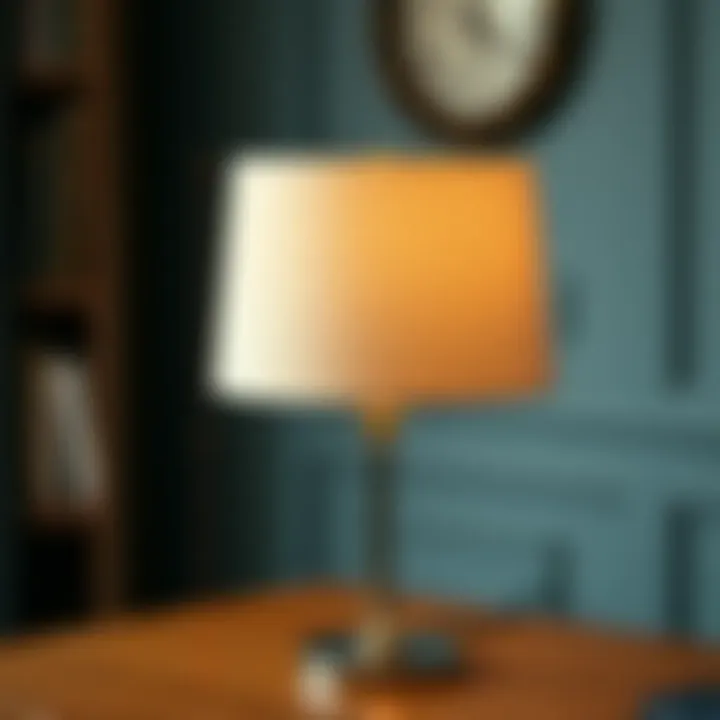
In this day and age, the trend leans heavily towards muted tones, with splashes of vibrant colors serving as accents. Think of a soft mustard-yellow shade in a mostly grey room, or a deep navy shade providing contrast against white walls.
"Color theory isn’t just for painters; it applies strongly in decor as well. Choosing the right shade can set the mood of the entire room.”
An understanding of complementary and analogous colors can greatly aid in your selection, giving you the confidence that your lamp shade will blend beautifully with your existing decor.
Practical Tips for Lamp Shade Selection
Decorating shouldn’t just be about looks; functionality must be taken into account too. Here are some practical tips you can use to make a more informed decision when selecting the right lamp shade size.
Assessing Space and Functionality
Before you rush into a purchase, take a moment to consider the space where the lamp will reside. Is it a narrow hallway or a spacious living room? A lamp shade that’s too large can overwhelm a small area, while a small shade in a sprawling space may look lost. Measure the height and length of your lamp, as well as the area it will sit in, to gauge the appropriate size.
Some key points to remember:
- Height: A good rule of thumb is that the shade’s height should roughly be one-third the height of the lamp base.
- Width: The shade width should generally be about two-thirds the width of the lamp base for balanced proportions.
Balancing Aesthetics with Comfort
Never underestimate the relationship between aesthetics and comfort. You want your lamp shade not just to look good but also to make the room feel inviting. Consider how the lamp shade interacts with other elements in the room; it should enhance the comfort of your space rather than detract from it.
Sometimes, this might mean sacrificing a trendy shade for one that offers better lighting options. Imagine a living room where the shade height just flickers the right amount of light for reading Nother too low that you’re squinting.
By integrating these practical considerations with a solid grasp of current furniture design trends, you’ll be well on your way to selecting a lamp shade that’s both functional and style-conscious.
For further reading on interior design principles, check out resources like Wikipedia, or list insight from Britannica.
Understanding Lamp Shades
Getting a grip on lamp shades is fundamental for anyone looking to elevate the lighting in their space. Not only do lamp shades play a practical role in diffusing light, they also serve as an essential accessory that defines a room's aesthetic. When you're trying to find the right size for a lamp shade, it entails more than just grabbing something off the shelf; it's about ensuring that functionality and style go hand in hand.
So, why should you care about this? Well, a well-chosen lamp shade can significantly enhance the atmosphere of a room. Properly sized shades create an inviting glow that complements interior design, while poorly sized ones may lead to an awkward look, throwing off the balance of your arrangement. Think of a home as a puzzle, where the right shade is the piece that completes the picture. Missing that one piece or choosing the wrong one can lead to an unsatisfactory result, making it evident that every element contributes to the overarching narrative of a space.
Functionality of Lamp Shades
First things first, let's talk about what these shades are really for. The primary function of a lamp shade is to control the distribution of light emitted from the bulb. Think of it as a traffic cop for light – directing and softening it as necessary. This becomes increasingly important if you're trying to create a specific ambiance or mood. For example, if you want a cozy evening atmosphere, a shade that casts a warm glow is ideal. Conversely, if you need bright light for reading or work, a shade that allows maximum light to pass through would be more appropriate.
Consider also how lamp shades protect your eyes from harsh, glaring light. Direct light sources can be uncomfortable or even harmful over prolonged exposure. A suitable shade acts as a buffer, ensuring that the light is more diffused and pleasant to the eye. This made me think of those late-night reading sessions; without the right shade, your eyes could be begging for a break!
Aesthetic Importance
Now that we've tackled functionality, let's roll in the aesthetic side of things. The size and shape of your lamp shade can virtually transform the look of a space. A large, statement shade might draw the eye, serving as a centerpiece that sparks conversation. On the other hand, a more subtle choice can seamlessly blend in, allowing other elements of the room to shine through.
A few things to think about:
- Shape and Style: The shape of the shade influences how light interacts with the space. For example, a drum-shaped shade might provide a more modern feel, while a bell-shaped one may evoke a more traditional vibe.
- Color and Texture: The fabric or material of the shade can either complement or contrast with the room’s colors. A light color could make a small room feel larger, while darker hues might create a cocooning effect.
- Scale and Proportion: The shade must also align well with not just the lamp base but together with the furniture and the overall space to avoid the issue of overpowering or getting swallowed by its surroundings.
In the grand scheme of lighting design, understanding the contrast between functionality and aesthetics will steer you closer to selecting the perfect lamp shade. The right shade becomes an extension of your personal style, subtly reinforcing the theme of your space without screaming for attention.
Key Measurements for Lamp Shades
Getting these dimensions right can mean the difference between a well-coordinated design and a mishmash of styles that clash, distracting from the ambiance you wish to create. As homeowners, designers, and decorators delve into the nitty-gritty of lamp shade selection, being mindful of measurements is paramount for striking that perfect balance.
Height of the Lamp Shade
The first measurement to consider is the height of the lamp shade. This dimension influences not only the lamp’s appearance but also how well it performs. A shade that’s too tall can overwhelm a smaller lamp, while a shade that’s too short might not adequately diffuse light. The ideal shade height typically falls between 60% to 75% of the height of the lamp base itself, allowing for proper light distribution.
Consider this: if your lamp stands at a height of 30 inches, aim for a shade that measures between 18 to 22.5 inches. This proportionate approach helps to ensure that the light emitted is not too harsh or glaring but creates a cozy ambience instead.
To visualize this during selection, simply stand by the lamp with a tape measure, mimic the shade’s height with your hand, and see how it sits with the lamp base. This not only provides a tangible feel for the measurements but also helps assess whether the overall proportions seem balanced.
Diameter of the Lamp Shade
Next, we turn our focus to the diameter, an equally essential aspect of lamp shade dimensions. The width of the shade should complement the base, contributing to a cohesive look. A lamp shade that is too narrow may appear unanchored while one that is excessively wide might feel cramped, especially in smaller spaces.
Generally, a good rule of thumb is to select a shade whose diameter is about one-third to one-half the height of the lamp. For instance, if your lamp stands at 30 inches tall, the shade diameter should range anywhere from 10 to 15 inches. This precision ensures that the proportions look intentional rather than inadvertent.
Additionally, consider the space around the lamp. Measure how the shade's diameter interacts with nearby furniture and decor. The last thing you want is a lamp that shouts for attention while the rest of your furnishings whisper.
In summary, achieving the right measurements for your lamp shade isn’t just about picking something that looks nice. It involves a thoughtful approach that considers functionality, visual balance, and harmony with the environment. Whether you’re looking to create a soothing reading nook or a vibrant centerpiece, keeping these measurements in mind will lead you on the right path.
Proportional Relationships
When it comes to selecting a lamp shade, proportional relationships play a crucial role. Choosing the right size has the power to enhance both functionality and aesthetics within a space, ensuring that the lamp not only serves its purpose but also complements the surrounding decor. If you think about it, it's just like putting together a puzzle—the shades must fit seamlessly into your overall design plan to bring harmony and balance.
One aspect to consider is the ratio between the lamp shade and base. Understanding this relationship is essential because it affects both the lamp's visual impact and how well it illuminates the area. Take a moment to think about this: a lamp with a slender base ought to have a shade that isn’t too overwhelming; otherwise, the entire setup can appear off-kilter. Conversely, a stout lamp base often pairs better with a broader shade, creating a cohesive look. This dance between elements brings character to a room while maintaining a sense of proportion.
Additionally, you can't ignore the larger picture—balance with the entire fixture. The lamp is rarely the sole feature in a room. It's typically surrounded by other furnishings and decor, which means the shade size needs to relate to these elements too. When the lamp shade complements the other fixtures, it creates a unified atmosphere, making the room feel thoughtfully designed. Failing to consider the overall proportions can lead to a chaotic or mismatched aesthetic, or worse—an eyesore.
"Each element in a room speaks to one another. Proportionality ensures that the dialogue is pleasant."
Below are some key elements you should contemplate concerning proportional relationships:
- Height & Base Ratio: A general guideline is to maintain a ratio of about one-third the height of the lamp for the shade. This ensures that neither overwhelms the other.
- Width Measurements: The shade's diameter should ideally be around two-thirds the width of the base. This comes handy when figuring out how much light to expect from the fixture.
Refining these relationships between the shade, base, and surrounding decor isn't just about adhering to guidelines; it’s about fostering an environment that encourages good vibes and cozy ambiance.
In your quest for the perfect lamp shade, having a sense of the proportional relationships will guide your choices. And when they align beautifully, you won't just have a lamp; you'll have an inviting focal point in your space.
Style Considerations
When it comes to selecting the right size for your lamp shade, style considerations play a pivotal role. The lamp shade is not merely a functional component; it serves as an aesthetic enhancer, contributing to the character of a room. You want to strike a balance between what feels good to the eye and what complements the overall design of the space.
Contemporary vs. Traditional
Deciding between contemporary and traditional styles can seem daunting, but it's key to harmonizing your lamp shade with the room's decor.
- Contemporary styles often feature sleek lines, minimalistic designs, and bold, unexpected materials. Opt for shades that echo these trends, such as geometric shapes or translucent materials like fabric or glass. A crisp white shade can fit in with a modern setup, creating a feel that's both clean and bright. Many contemporary homes favor fixtures that make a statement without overwhelming the space. For example, if you have a modern lamp in a minimalist decor, a simple drum shade in a solid color can do wonders without the frills.
- On the other hand, traditional styles lean toward warmth and ornate designs. Think about rich colors, intricate patterns, and materials that evoke a sense of history. A lavish fabric shade with a soft, warm hue could beautifully warm up a vintage lamp, blending seamlessly into a classic setting. Using deeper colors or textured fabrics can provide not only style but also an inviting atmosphere.
Each style has its nuances, and understanding these can help you make a conscious choice, ensuring that your lamp shade feels right in its intended space.
Color and Texture Choices
Color and texture are not just aesthetic choices; they're functional elements that can manipulate the ambiance of a room. Each decision can drastically change how light is emitted and perceived.
- Color can influence mood and atmosphere significantly. A bright, vivid shade can energize a space, while a muted or pastel shade may be calming. For instance, soft blues or greens can promote a serene feel, ideal for bedrooms, while brighter yellows or oranges suit lively spaces like kitchens or playrooms. It’s essential to consider how these colors will interact with your existing decor—complementary colors can enhance visual interest, while contrasting colors can provide a striking focal point.
- Texture plays an equally crucial role. Smooth surfaces give off a clean look, whereas textured fabrics—such as linen, silk, or even woven materials—add depth and richness. A linen shade atop a wooden lamp base offers a rustic feel, whereas a glossy ceramic shade can inject a modern flair. Additionally, textured shades can diffuse light in unique ways, creating patterns and soft shadows, which can elevate the aesthetic appeal of any room.
When making choices regarding style, color, and texture, strive for a cohesive look that reflects your personal taste while still fitting harmoniously into the overall design of the space. It's all about finding the sweet spot where dimensions, style, and color coalesce, ultimately meeting your lighting and decor needs.
Practical Tips for Selection
Choosing the right lamp shade is like piecing together a puzzle, where each element matters for the final picture. Practical tips in selecting a lamp shade revolve around ensuring it not only fits but also enhances your space. Getting the dimensions right is crucial to achieving a harmonious look. Here, we will delve into the key steps that help streamline the selection process, lending a hand in preventing mistakes that can clutter a space rather than beautify it.
Measuring for Fit
When it comes to measuring for a lamp shade, a little precision goes a long way. Proper measurements ensure that your chosen shade serves both its aesthetic role and its functional duty.
Using a Measuring Tape
Using a measuring tape stands out as an indispensable tool when you’re on the hunt for the ideal lamp shade. This simple yet effective instrument allows you to gather dimensions with accuracy. With its retractable design, you can easily measure height and diameter without needing a third hand. What sets a measuring tape apart is its flexibility, making it an ideal choice for odd-shaped bases or lamp styles that don’t conform to standard shapes.
While a measuring tape can sometimes be cumbersome and requires careful handling to ensure you’re measuring from the right points, the benefits often outweigh the downsides. An accurately measured shade is less likely to overwhelm the lamp base or cut too short, leading to poor lighting that can spoil a room’s ambiance.
Calculating Widths and Heights
Calculating widths and heights is where the magic of selection happens. This process not only involves noting down measurements but also calculating proportions that suit both the lamp base and the surrounding area. Taking into account ratios provides insight into how a shade can influence the lamp itself and its positional dynamics within the room.
The key focus should be on ensuring that the shade’s diameter aligns with the lamp’s base width. A lampshade that’s too wide can swamp the base, while one that’s too narrow might appear flimsy against a stout lamp. On the downside, this calculation may require several attempts before settling on the perfect match, and at times, the mathematical aspect might seem daunting. Yet, the clarity it brings to the selection process is worth the effort.
Visual Evaluation Techniques
Once you’ve nailed down the measurements, visual evaluation techniques come into play. This part of selecting a lamp shade is all about the eye test. How does it look in the space? Are proportions maintaining balance? This subjective yet critical aspect can significantly affect the overall aesthetics of your room.
Mocking Up with Paper Templates
Mocking up with paper templates is a handy technique to visualize your options before making a purchase. By creating a physical representation of your chosen lamp shade dimensions, you can place these templates in situ to see how they interact with the lamp and surrounding decor. This method is particularly beneficial because it allows for immediate color and texture comparisons with existing furnishings.
However, while this method is practical, it does have its quirks. Paper templates can sometimes be unwieldy, or if the viewer lacks a discerning eye, it might not provide the full sense of presence that the actual shade would. Nonetheless, it offers a no-cost way to experiment and tweak sizes before committing.
Assessing From Multiple Angles
Assessing from multiple angles is another significant approach that brings dimensions to life. Every room carries its own character, and how a lamp shade appears from different perspectives can ultimately sway your decision. Walk around the space, viewing the lamp from various heights and angles. This ensures you get a 360-degree impression of how the lamp shade interacts with its environment.
What’s special about this method is that it emphasizes context. What suits your dining area might lend a different feel in your bedroom. On the flip side, this method does require a bit of legwork and might be time-consuming, but the clarity it provides is usually invaluable in making a decision that complements the overall design theme.
Common Mistakes to Avoid
When it comes to choosing the right lamp shade, a few missteps can lead homeowners and designers alike to unfortunate outcomes. Understanding what to steer clear of can make a world of difference. Avoiding common errors not only enhances aesthetics but also ensures optimal functionality. Here’s a closer look at some of the notable pitfalls to be aware of while selecting a lamp shade.
Oversized Shades
One glaring mistake that many individuals stumble upon is selecting oversized shades. Large lamp shades can create a sense of imbalance in a room, overshadowing the lamp base and even the surrounding decor. These shades can block light from diffusing effectively, making the space feel darker than it ought to.
When addressing this issue, it’s essential to consider the lamp's height and the overall proportions of the room. A lamp with a slender base should typically pair with a more modest shade. A piece that stands tall, on the other hand, might benefit from a broader shade to match its stature.
Moreover, one must also factor in the ceiling height. In rooms with low ceilings, large shades can visually compress the space. This can lead to a cramped atmosphere, making it uncomfortable for anyone occupying the room.
To avoid this blunder, always measure your lamp base first. Provide notes of the height before you shop for shades. A good rule of thumb is for the shade's height to be about a third of the lamp's total height, enhancing balance and light quality.
"Getting the size right for your lamp shade can elevate your entire living space, while a wrong choice might just leave you dimly lit and regretting your selection."
Ignoring Scale of Surrounding Furnishings
Another common miscalculation revolves around ignoring the scale of surrounding furnishings. A beautiful lamp shade lacks impact if it appears out of place amid the existing decor. Pairing an overly large shade with a petite table or a delicate chair can create visual chaos. In contrast, a tiny shade on a grand floor lamp can look dwarfed and unremarkable.
It's vital to take stock of the furniture and architectural elements within the room. Consider the colors, textures, and shapes at play. For instance, if your room boasts large, bold furniture pieces, a small, dainty shade might look out of place like a mouse roaming amongst lions. Likewise, if you're working with sleek, modern furnishings, an ornate or oversized shade could disrupt the clean lines and harmony.
To ensure a cohesive look, assess the following:
- Proportions: Does your shade complement the lamp and surrounding items?
- Styles: Are the shades and furniture styles aligned? Modern with modern, traditional with traditional.
- Colors: Do the hues harmonize, or does one piece steal the show?
Taking the time to gauge your space helps you choose a lamp shade that contributes positively to the overall aesthetic rather than detracts from it. This consideration makes sure your lamp not only shines bright but fits seamlessly into your design narrative.
Testing and Final Adjustments
After identifying the right measurements and style for your lamp shade, the real test is ensuring that everything aligns with your vision and ambiance. This section discusses the importance of testing and making final adjustments to get the perfect fit, even going as far as living with the shade for a bit to see how it interacts with your space.
Installing for Trial Period
When you finally get your hands on that new lamp shade, it’s tempting to slap it on right away and call it a day. However, it’s crucial to take a step back and let it sit for a while—like letting a fine wine breathe. This trial period can really give you the opportunity to observe how the lamp shade fits within its environment.
Here are some practical points to consider during this testing phase:
- Light Quality: Observe the light it casts during different times of the day. Does it create the ambiance you envisioned? Sometimes, the right lampshade can transform a room from too harsh to cozy.
- Visual Appeal: Walk around your room or space and view it from various angles. You might notice it stands out or blends too much with other elements around it. You’re looking for balance, not competition.
- Height Interaction: Pay special attention to how the shade interacts with the surface below it. The relationship in height can change how the light behaves and how the space feels overall.
A trial period might even help you uncover unexpected issues or advantages of your choice. The shade may reveal character that you didn’t anticipate at first glance. When you allow yourself this critical phase, you encourage a thoughtful integration into your decor, rather than rushing into anything.
Seeking Opinions
A second set of eyes can work wonders when making design choices. Invite a friend over to share their thoughts about the shade you’ve chosen. It is interesting how fresh perspectives can surface ideas or concerns you never considered yourself. Some points to explore when seeking feedback include:
- First Impressions: Often, gut reactions can provide valuable insights. How does the shade strike those who walk into your room for the first time?
- Fit with Surroundings: Ask your friend how well they think the shade fits with the other furniture or decor elements. Does it add coherence or create a disjointed look?
- Functional Concerns: Inquire about the light’s versatility. A shade might look good, but does it serve its purpose well?
Not everyone shares the same tastes, however. Take the feedback you receive and reflect upon it critically. It’s all about finding that sweet spot between personal preference and practical consideration.
"Sometimes, a fresh perspective can be the key to unlocking design success. Don’t underestimate the power of collaboration in aesthetic decision-making."
In your journey towards the perfect lamp shade, testing and adjustments go beyond basic dimensions. Through thoughtful evaluation of light quality and design feedback, you pave the way for a harmonious integration into your home, encapsulating both function and beauty.
The Impact of Proper Shade Size
Selecting the right size for your lamp shade goes beyond mere aesthetics; it plays a crucial role in the overall feel of a room. When a shade doesn’t fit the lamp’s proportions or the surrounding decor, the entire ambiance can suffer. This section digs into two significant areas: how the size of a shade can alter room ambiance and contribute to the design scheme of your space.
Effect on Room Ambiance
The size of a lamp shade can greatly influence the lighting quality in a room. A shade that is too small tends to project harsh light, often creating an uncomfortable glare. In contrast, a larger shade generally softens the light, making it more inviting. When choosing a shade, it’s wise to consider the light's diffusion, as different sizes and styles can cast light in various directions.
For instance, a wide, drum-shaped shade diffuses light evenly, allowing for an illuminating glow that fills the room. On the other hand, a narrow cone-shaped shade directs light downwards, which can create a more intimate atmosphere, ideal for reading nooks or over dining tables. Proper size adjustment anticipates not just the light, but also how this light interacts with the colors and textures present in the space, contributing to either a warm, cozy setting or a sleek, modern vibe.
“Choose a lamp shade that whispers style but shouts practicality. It’s not just a cover; it’s part of the light’s journey.”
Contributing to Overall Design Scheme
The role of a lamp shade in the overall design scheme cannot be overstated. The shade’s size, material, and color should resonate with the surrounding furnishings rather than clash with them. A well-selected shade can act as a unifying element in a room, bringing together various stylistic pieces and color palettes.
- Choose Complementary Sizes: Shades should relate to the furniture scale. A tall lamp stands next to a low-slung couch should not be dwarfed by a tiny shade; this will make the lamp look out of place. Instead, harmonize the scale to create balance.
- Material Matters: The material of the shade also plays a role in the design. A silk shade adds an air of sophistication, while a natural fiber like linen gives a more relaxed feel. The size must consider the fabric weighed against the lamp’s form.
- Color Coordination: The color of the shade should not only match but enhance the room’s color scheme. A brightly colored shade can be a dramatic statement piece, while neutral tones offer versatility, allowing the shade to blend seamlessly into the background.
In summary, the proper shade size does more than just fit a lamp; it shapes the entire room’s feel and functionality. By paying attention to both the ambient effects of light and how a shade interacts with the broader design, homeowners and decorators alike can create spaces that are not only visually appealing but also inviting and practical.
Finale
In this article, we have explored various elements that contribute to the perfect lamp shade size. From understanding the technical measurements, such as height and diameter, to considering the overall style and proportion in relation to your lamp base, every detail matters. The impact of a well-chosen shade on room ambiance cannot be understated—it can soften harsh lighting or spread it evenly to create a warm, inviting atmosphere.
Recap of Key Points
- Height and Diameter: Accurate measurements ensure the lamp shade fits correctly and functions as intended.
- Proportional Relationships: The shade should complement the lamp base while maintaining harmony with the surrounding decor.
- Style Considerations: Selecting a shade that matches the design ethos of the room enhances cohesion.
- Common Mistakes: Awareness of oversized shades and ignoring the scale of furnishings can prevent design missteps.
- Testing and Adjustments: Implementing installation periods allows for adjustments and feedback, ensuring the best fit.
Final Thoughts on Lamp Shade Selection
Choosing the right lamp shade shouldn't feel like an uphill battle. With a systematic approach to measurements, awareness of proportions, and an eye for style, selecting the ideal shade can be a fulfilling experience. A thoughtfully chosen lamp shade not only enhances lighting but also contributes significantly to the overall design scheme of the room.
As you ponder your choices, remember to think beyond mere aesthetics. Consider how the shade will interact with both light and space. Take your time, measure twice, and allow the ambiance of your home to shine through the right lamp shade.