Recessed Medicine Cabinets with Beveled Mirrors
Intro
The bathroom, often underappreciated in its significance, acts as a sanctuary for both solace and functionality. Among its many features, recessed medicine cabinets with beveled mirrors stand out as remarkable elements that fuse art and utility, transforming the space into a harmonious blend of style and practicality. With these fixtures, the subtleties of design can elevate a mundane space into a contemporary oasis.
As we navigate through the pages of this article, we will uncover the myriad ways recessed medicine cabinets, coupled with beveled mirrors, enhance aesthetic appeal while offering practical storage solutions. Homeowners and design professionals alike will find valuable insights into the intricate relationship between these fixtures, with an emphasis on design trends, functional considerations, and innovative installation methods. By marrying form with function, one can create not just a bathroom, but a thoughtfully curated environment that resonates with elegance and efficiency.
Understanding Recessed Medicine Cabinets
Recessed medicine cabinets have become essential components in modern bathroom design, facilitating a blend of style and practicality. They stand out not only for their visually appealing qualities but also for their functional advantages. Homeowners and designers alike appreciate the seamless integration of these cabinets into the walls, contributing significantly to both space management and aesthetic enhancement.
Definition and Purpose
At its core, a recessed medicine cabinet is a storage unit that is installed into a wall cavity, allowing it to sit flush with the surrounding wall. This streamlined approach allows for maximum use of space, making it a favored option for smaller bathrooms where every inch counts. The primary purpose of these cabinets is to offer organized storage for toiletries, medications, and other personal care items, thus keeping surfaces uncluttered and enhancing overall bathroom tidiness.
Historical Context and Evolution
Historically, medicine cabinets have evolved from simple, utilitarian fixtures to stylish elements that serve a dual purpose. Their roots can be traced back to the late 19th century when they were predominantly made of wood, often featuring ornate designs. The evolution continued through the mid-20th century, introducing variations in materials such as metal and glass, which shifted the focus towards a more modern and minimalist aesthetic. Today, recessed medicine cabinets come in a variety of finishes, styles, and configurations, ensuring they meet the diverse needs and tastes of contemporary consumers.
Benefits of Recessed Design
- Space Efficiency: One of the hallmark advantages of recessed medicine cabinets is their ability to maximize available space. By being set into the wall, they eliminate the need for protruding shelves or over-the-counter cabinets, providing a polished look that opens up the flow of the room. This feature is particularly beneficial in small bathrooms where every bit of space counts. Homeowners often find that this increased space allows for the addition of other decorative elements without feeling crowded.
- Sleek Aesthetics: The sleek design of recessed cabinets adds an understated elegance to any bathroom. Unlike traditional cabinets that can dominate a space, recessed options blend seamlessly into the wall, creating a clean, streamlined appearance. Whether adorned with a simple frame or an ornate bevel, these installations can act as a focal point or a subtle complement to the overall decor. This is a defining trait that appeals to those looking for style amidst function.
- Enhanced Accessibility: Recessed medicine cabinets significantly improve accessibility for users. Their installed nature means they are typically positioned at an optimal height for easy reach, allowing individuals to access their essentials without any fuss. This thoughtful design consideration is especially important in homes with children, elderly family members, or anyone needing convenient access to daily personal items. Additionally, the organized storage space encourages users to keep items neatly arranged, further enhancing the experience.
The Role of Beveled Mirrors
Beveled mirrors hold a distinct position in the realm of interior design, particularly when integrated into recessed medicine cabinets. Their significance extends beyond mere aesthetics; they enhance the functional aspects of a bathroom space. This section highlights why beveled mirrors deserve the attention of homeowners and designers alike.
Aesthetics of Beveling
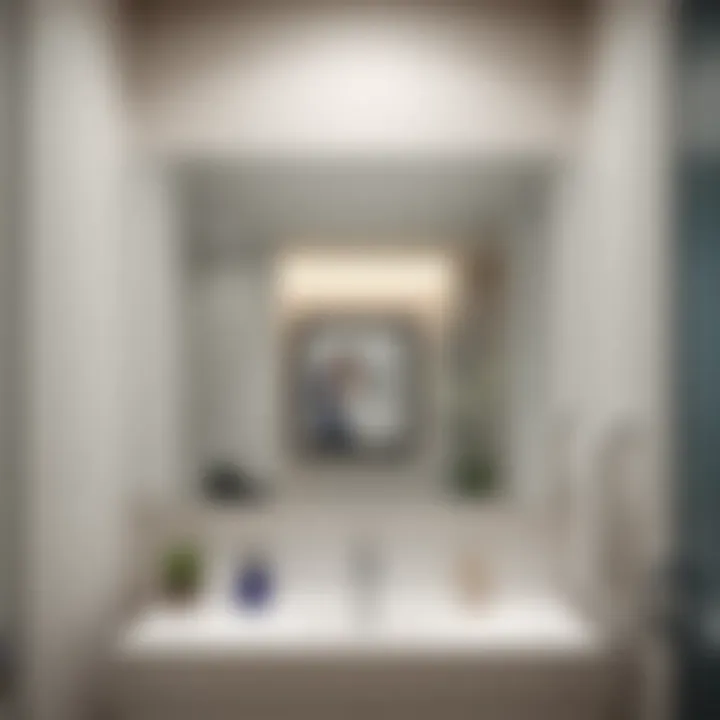
Beveled mirrors are a conversation starter in any room, particularly in the bathroom where they tie the design together. The angled edges create a sense of depth and dimension, giving the illusion of a larger space. When light hits these edges, it produces a gentle, radiant glow, which softens the surroundings and elevates the overall ambiance.
- Texture and Visual Interest: A standard flat mirror may suffice, but a beveled mirror introduces an element of visual intrigue. The play of light reflects off the polished angles, capturing attention and inviting a closer look.
- Style Versatility: Beveled mirrors fit seamlessly into various design approaches—from classic to modern. Their refined appearance complements both traditional décor and contemporary looks.
In essence, beveled mirrors provide more than just a reflective surface; they offer a multidimensional experience that enriches any setting.
Practical Advantages of Beveled Mirrors
Integration of beveled mirrors is not purely aesthetic; they come with practical advantages that enhance functionality in subtly powerful ways. Here are two aspects that stand out:
Illuminating Reflections
One of the standout features of beveled mirrors is their ability to illuminate reflections effectively. Unlike flat mirrors, bevels help in amplifying light, making spaces feel brighter. This quality is especially crucial in bathrooms, where lighting can often feel harsh or inadequate.
- Functional Brightness: By reflecting light from various sources like windows or overhead fixtures, beveled mirrors create a well-lit environment that facilitates grooming tasks.
- Mood Enhancement: The softened lighting effect not only aids on practicality but also contributes to a more inviting atmosphere, making the bathroom a relaxed retreat.
However, it is important to consider the positioning of these mirrors to maximize their lighting benefits.
Visual Expandability
Beveled mirrors also promote a sense of visual expandability, a crucial aspect in design, especially in smaller bathrooms.
- Creating Illusions of Space: By reflecting surrounding elements, bevels make limited spaces appear more open and airy. This clever trick can transform a cramped area into a visually expansive sanctuary.
- Harmonious Integration: The presence of beveled edges can seamlessly pull together various design elements, creating a continuous visual flow that enhances the sense of spaciousness.
While their benefits are evident, avoiding oversized or poorly positioned mirrors is essential to maintain the balance and avoid overwhelming a small room.
"Incorporating beveled mirrors into recessed medicine cabinets blend functionality and artistry. They not only serve a purpose but also invite a level of elegance that is hard to achieve otherwise."
As you venture into the world of recessed medicine cabinets, don't overlook the elegance and practicality that beveled mirrors contribute. They are not just accessories; they're essential elements of refined design.
Design Considerations for Recessed Medicine Cabinets
To create an effective space in your bathroom, understanding the various design considerations for recessed medicine cabinets is fundamental. These cabinets marry both aesthetics and practicality, but not all designs will suit every bathroom layout or style preference. Therefore, contemplating specific elements can determine how well your cabinet performs its intended function while blending seamlessly into the overall design.
Choosing the Right Location
Choosing the right spot for installation is crucial. A cabinet placed in the wrong location may hinder functionality or disrupt the flow of the space.
Height and Accessibility
Height is a pivotal aspect to consider. Installing the cabinet at an accessible height ensures that everyone can effectively use the space. Generally, positioning the cabinet around eye level strikes a balance between visibility and comfort. The key characteristic here is that it allows users, regardless of their stature, to access items without any hassle. For families, this offers a beneficial choice as it accommodates kids and adults alike.
However, consider that installing it too high can lead to storage becoming less usable. In contrast, a cabinet placed too low might clash with other fixtures. To add another layer of complexity, if the height prevents natural light from illuminating the space, it might impart a dull feel. Awareness of the average height of those using the bathroom can further guide this decision.
Proximity to Utilities
Proximity to utilities such as plumbing and electrical outlets can significantly influence the placement of your recessed medicine cabinet. Seeing that many housing layouts feature bathrooms close to plumbing, positioning the cabinet near existing water lines can simplify installation and reduce additional construction costs.
The key characteristic of this consideration is convenience. It allows easy access to electrical points for integrated features, such as built-in lighting or electrical outlets—something many design-savvy homeowners desire. However, a disadvantage may arise when attempting to fit the cabinet closely against the wall while maintaining utility access. Thus, planning becomes paramount in ensuring the design remains practical without compromising aesthetics.
Selecting Materials and Finishes
A cabinet is only as good as its materials. Choosing the right materials and finishes not only shapes the aesthetic but also affects maintenance over time.
Wood versus Metal
The choice between wood and metal can frame the look of the cabinet. Wood often brings warmth and a classic charm that many homeowners find appealing. Its versatility in stains and finishes allows for personal touches. However, wood might not fare as well under high humidity compared to metal—but it can be treated to enhance durability.
On the other hand, metal provides a sleek, modern appeal. It is resistant to moisture and easier to clean. The downside is that it may not blend with more traditional-themed bathrooms and might often read as cold if not paired thoughtfully with complementary elements. Each material presents its unique features and drawbacks, pushing you to choose wisely according to your overall design vision.
Water-Resistant Finishes
Selecting water-resistant finishes is a superior choice for maintaining longevity in high-moisture areas like bathrooms. These finishes are specifically designed to withstand humidity, helping to avoid the peeling and degradation common with standard paints or stains.
Applying a water-resistant finish to a cabinet not only ensures it looks good for longer but also adds protection against mold and mildew, which can thrive in damp spaces. An important aspect here is that while these finishes may add to initial costs, the long-term preservation of your cabinetry pays off, allowing for reduced maintenance efforts.
Styling Options and Configurations
The approach to styling not only elevates appearance but enhances functionality and space usage. The configuration of your recessed medicine cabinet can be tailored to meet individual needs and preferences.
Single vs. Double Doors
When it comes to doors, the choice between single and double doors transforms ease of access. Single doors often work well in tighter spaces, allowing for smooth operation while maximizing mirror surface area. This choice benefits smaller bathrooms where space is tight.
Conversely, double doors provide wider access to stored items, making it easier to see and reach everything inside. They can also impart a more grandiose aesthetic, fitting beautifully in larger, more expansive bathrooms. However, double doors have the potential to stick out in space and may be cumbersome in cramped environments. Therefore, aligning your choice with the room size and usage is essential.
Integrated Lighting
Integrated lighting is another consideration that can reshape your experience. Lighting that is directly installed within the cabinet enhances visibility, significantly benefiting tasks such as grooming. The key characteristic of this feature is its ability to bring focus to personal care routines without additional fixtures cluttering the surrounding area.
Being able to illuminate the inside of the cabinet efficiently not only highlights stored items but also improves the entire bathroom atmosphere. However, this feature does require careful planning regarding electrical access and installation, which can complicate matters slightly. Yet, for many, the advantages of having well-lit options outweigh the potential drawbacks.
Each of these design considerations brings forth a unique set of pros and cons. Keeping these factors in mind will enable you to craft an efficient, elegant, and functional bathroom space that embodies your style.
Installation Techniques and Best Practices
When it comes to installing recessed medicine cabinets with beveled mirrors, the precision and care put into the process greatly influences not only the functionality of the cabinet but also its aesthetic appeal. A well-installed cabinet serves as a blend between beauty and practicality, contributing significantly to the overall bathroom experience. Using proper installation techniques and following best practices ensures longevity and durability, making it a critical part of your home improvement project.
Tools Needed for Proper Installation
Before diving into the installation process, it is essential to gather the right tools. The following items will make your installation smoother:
- Stud Finder: To locate wall studs for secure mounting.
- Measuring Tape: Ensures accuracy in height and positioning.
- Level: Keeps the cabinet aligned, avoiding a lopsided look.
- Drills with Screwdrive Bits: Necessary for making holes and securing the cabinet.
- Screwdriver: For fastening screws if the drill isn't an option.
- Caulking Gun: To seal edges and provide a clean finish.
- Pencil: For marking measurements and guidelines on the wall.
Properly preparing with these tools not only saves time but also reduces frustrations during the installation phase.
Step-by-Step Installation Guide
Preparing the Wall Cavity
The phase of preparing the wall cavity is about laying the groundwork to ensure a solid and stable installation. This involves cutting out a precise opening in the drywall where the cabinet will be placed. Using a stud finder during this step is beneficial since it allows for securing the cabinet directly to the studs, enhancing stability.
A key characteristic of this preparation is taking accurate measurements. Marking the area carefully helps avoid unnecessary damage or missteps. Cutting too large an opening begs for a long-term headache, as it'll require patching.
The unique feature of this preparation step lies in creating a clean and exact space that maximizes the cabinet's potential. If prepared poorly, the entire installation can suffer, leading to complications like sagging or misalignment. Therefore, it's a popular choice to pay particular attention here; it’s foundational for a successful project.
Securing the Cabinet
Once the wall cavity has been prepared, securing the cabinet becomes the next crucial aspect. Using screws to fasten the cabinet's frame into the studs ensures that the unit is anchored firmly, allowing it to handle the weight of contents without budging. This not only secures the functionality of the cabinet but also gives you peace of mind that it won’t come crashing down unexpectedly.
A benefit of this step is the solid foundation it establishes, which promotes longevity. Adequate securing can prevent future issues like warping or misalignments that can occur if the cabinet is solely held by drywall anchors.
The unique feature here is the importance of precision when drilling and fastening – you want the cabinet to be flush with the wall surface. A cabinet that juts out or is sunken can make for an unappealing aesthetic, so accuracy goes hand-in-hand with functionality.
Sealing and Finishing Touches
After securing the cabinet, the sealing and finishing touches play a critical role in ensuring aesthetic appeal and moisture resistance. Applying caulk around the edges helps in creating a seamless look and guards against moisture, a common issue in bathrooms. This step not only enhances the visual appeal but protects the integrity of the cabinet as well.
A hallmark of this stage is the careful application of materials; ensuring that the caulk is smooth and evenly distributed can greatly affect the final look. This makes sealing an essential practice for achieving a refined finish when installing recessed cabinets.
The unique feature of this wrapping-up step is that it provides the final polish to an installation, highlighting the craftsmanship involved. An adequately sealed and finished cabinet stands out, enhancing its elegance in the bathroom space.
Common Mistakes to Avoid
If you want to avoid the pitfalls of improper installation, being aware of common mistakes is imperative. A frequent issue arises from neglecting to check for level, resulting in cabinets that lean or are uneven, which can be an eyesore. Another mistake is underestimating the importance of securing to wall studs, which can lead to countless headaches down the line. Lastly, overlooking the sealing step means risking moisture damage and deterioration of the cabinet materials.
By understanding these potential missteps, homeowners and designers alike can pave the way for a successful installation process that blends both functionality and style.
Integrating Functionality and Style
The core of any home design, especially in the bathroom, revolves around the balance between functionality and aesthetics. In the context of recessed medicine cabinets paired with beveled mirrors, this integration becomes all the more essential. These elements serve not just as storage solutions but also elevate the overall impression of your space. By harmonizing both aspects, homeowners can achieve a design that's not only practical but also visually appealing.
When selecting a recessed cabinet, it’s crucial to consider how it will complement existing elements in your bathroom. The ultimate goal should be to create a coherent atmosphere where every piece plays its part without overshadowing the others. This is key in achieving not just utility but style.
Storage Solutions in Recessed Cabinets
Adjustable Shelving
Adjustable shelving in recessed cabinets stands out for its flexibility. This aspect allows homeowners to tailor the interior of their cabinets to suit varying storage needs. Whether it’s bulky skincare products or a collection of neatly arranged toiletries, adjustable shelves adapt easily.
A key characteristic of adjustable shelving is its user-friendliness. The ability to rearrange shelves helps optimize space and maintain orderliness, making it a favored option. This feature often caters well to growing families, who may find that their storage needs change over time.
However, the disadvantage lies in the installation complexity; it may entail a bit of effort initially to set up properly. Nonetheless, the benefits, such as adaptability and enhanced space utilization, significantly outweigh the drawbacks, making adjustable shelving a wise choice for modern bathrooms.
Drawer Options
Consideration of drawer options opens a world of benefits when integrating with recessed cabinets. Unlike standard shelving, drawers provide a more organized way of accessing smaller items that could otherwise be lost in a chaotic drawer. They facilitate a more streamlined approach to storage, wherein each item has its designated space.
This characteristic makes drawers a particularly beneficial option, as they can be designed to hide clutter behind closed fronts, leaving a clean aesthetic throughout the bathroom. Unique features may include soft-close mechanisms or varied compartment sizes that enhance usability further.
However, one limitation is that they can consume more physical space compared to open shelving if not designed carefully. Balancing drawer sizes with available space is vital to ensure functionality isn't compromised in favor of style.
Combining with Other Bathroom Fixtures
Stylish Vanities
Stylish vanities perfectly complement recessed medicine cabinets and are integral to a cohesive bathroom design. They act not only as a functional element with necessary storage, but they also embody style and personality within the space. These vanities can feature various designs, from minimalist contemporary to elegantly rustic, making them versatile.
The primary benefit of stylish vanities lies in their dual functionality. They provide invaluable storage solutions while doubling as a key design element within the bathroom suite. The integration of a recessed cabinet with a vanity solidifies the aesthetic, ensuring that neither feels out of place.
Yet, the design complexity might present challenges. Care should be taken to ensure that the colors and materials harmonize together to avoid a discordant look, which can detract from the overall elegance.
Complementary Lighting
Another crucial piece when integrating functionality and style is complementary lighting. A well-thought-out lighting scheme can turn an average bathroom into a truly remarkable oasis. Good lighting enhances the aspects of both the recessed cabinet and the beveled mirror, ensuring that functionality is not sacrificed for mere aesthetics.
The significant feature of complementary lighting lies in its ability to highlight the cabinet’s and mirror's best traits. Soft, even lighting provides an inviting atmosphere and ensures visibility when getting ready. This goes hand-in-hand with modern design principles, which emphasize the importance of lighting in creating mood and space perception.
On the flip side, poorly placed or excessive lighting can result in unflattering shadows or overpowering brightness. Thus, thoughtful planning is key. Overall, the choices made in lighting can make or break the effectiveness of the integration.
The synergy between storage options and complementary elements can transform an ordinary bathroom into an extraordinary living space.
Putting it all together, the integration of functionality and style in recessed medicine cabinets with beveled mirrors is paramount. When each component—be it storage solutions or decorative fixtures—works in unison, they create a refined and practical space. This careful consideration ensures that both aesthetic appeal and functionality shine.
Maintenance and Care for Durability
Maintaining and caring for recessed medicine cabinets containing beveled mirrors is crucial for both longevity and aesthetic appeal. These fixtures, while stylish, can be prone to wear and tear over time if proper care is not taken. A well-maintained cabinet not only enhances the overall look of your bathroom but also ensures that the components remain functional. Here, we’ll explore specific cleaning techniques and overarching maintenance practices that contribute to the durability of these essential items.
Cleaning Tips for Beveled Mirrors
Cleaning beveled mirrors requires a delicate touch to maintain their clarity and avoid damage. Here are some practical tips:
- Use a soft, lint-free cloth: Microfiber cloths work wonders for mirrors, preventing scratches and leaving no residue.
- Gentle cleaning solutions: Opt for a mixture of equal parts vinegar and water or a commercial glass cleaner free from harsh chemicals. Avoid ammonia-based solutions, as they can cause the mirror backing to tarnish over time.
- Regular cleanings: Incorporate cleaning your mirrors into your monthly routine to keep them sparkling and free from spots or streaks.
To clean, spray the solution lightly on the surface and wipe in a circular motion, starting from the center. This avoids drips and ensures an even shine.
Ensuring Lasting Integrity of Cabinets
Long-term integrity of recessed cabinets depends on consistent checks and moisture management. Without attention to these details, even the finest cabinetry can deteriorate.
Regular Inspections
Regular inspections of recessed cabinets ensure that they remain in optimal condition. This involves checking for signs of wear, such as:
- Loose hinges or handles
- Signs of moisture damage around the edges
- Cracks or chips in the cabinet itself
Carrying out these inspections every few months can reveal small issues before they escalate into major repairs. Such proactive maintenance is a beneficial approach as it preserves the design's appeal and functionality.
"An ounce of prevention is worth a pound of cure."
Regular inspections allow homeowners to catch potential problems early, saving both time and expense. Performing these checks can significantly extend the life of a recessed cabinet, making it a wise choice for maintaining your home’s overall aesthetic and functionality.
Moisture Control
Proper moisture control is key in maintaining the integrity of your recessed medicine cabinets. The bathroom is a naturally humid environment, and excess moisture can lead to mold growth and wood warping.
- Utilize good ventilation: Ensure your bathroom is properly ventilated with an exhaust fan that runs during showers and baths. This helps maintain a lower moisture level.
- Desiccants: Consider placing desiccants, like silica gel packs, inside the cabinet to absorb excess moisture.
- Sealing edges: Check that the edges of the cabinet doors and any seams are well-sealed, preventing water intrusion.
Managing moisture effectively not only protects the cabinet’s structure but also prevents the bacterial growth that can leave a nasty odor. Thus, integrating moisture control practices is essential for anyone looking to keep their medicine cabinets looking new and functioning properly.
In summary, through consistent cleaning and an eye on moisture, homeowners can preserve the elegance and utility of recessed medicine cabinets with beveled mirrors. These small efforts lead to lasting durability, keeping both function and style in top-notch condition.
Trends in Recessed Medicine Cabinet Design
Staying relevant in home design requires an eagle eye, especially when it comes to the bathroom. The recessed medicine cabinet, paired with beveled mirrors, has seen a shift in trends that reflect broader societal tastes and practical necessities. This section explores these trends, which not only enhance aesthetics but also improve functionality and sustainability. By understanding these trends, homeowners and designers alike can make informed decisions that make a mark in today’s fast-paced housing market.
Contemporary Styles and Innovations
The world of interior design is ever-evolving, and recessed medicine cabinets are no exception. Current styles lean towards minimalism, with clean lines and streamlined integrates into bathroom aesthetics. This simplicity allows for a variety of design elements to shine through, from intricate tile work to rich wood accents. A few of the stand-out trends include:
- Floating Cabinets: These modern units add a touch of elegance while visually expanding the space. They provide a place to display decor items or plants without overcrowding.
- Smart Technology Integration: With the advent of smart homes, some cabinets now incorporate technology such as LED lighting, Bluetooth speakers, and even wireless charging stations. This trend caters to tech-savvy homeowners seeking convenience.
- Mixed Materials: Combining materials like glass, metal, and wood creates a tactile contrast that appeals to many tastes. In particular, wood complements beveled mirrors beautifully, creating a warm ambiance.
Innovations also spur creativity in the layout. For instance, design-savvy homeowners are now experimenting with unconventional layouts, like asymmetrical placements or multi-tiered shelving, pushing the limits of what a traditional cabinet can offer.
Sustainability in Material Choices
As environmental concerns tug at the heartstrings of many homeowners, sustainability has become a cornerstone of modern design. Recessed medicine cabinets are no longer just functional; they can also be environmentally conscious. Key aspects of this trend include:
- Recycled Materials: More manufacturers are opting for recycled MDF or reclaimed wood in their cabinets. This not only reduces waste but also brings character to the piece, showcasing unique textures and colors that can’t be replicated.
- Low-VOC Finishes: Paint and finishes that emit low volatile organic compounds are gaining momentum. These options speak to the growing awareness of indoor air quality and health, allowing homeowners to breathe easier.
- Durability and Longevity: Choosing high-quality materials ensures that cabinets stand the test of time, reducing the need for replacements. From ceramic to seasoned hardwood, investing in durability means less waste in the long run.
"The choice to prioritize sustainability in design isn't just a trend—it's a responsibility that echoes through generations to come."
The End
In the realm of interior design, especially within the intimate setting of bathrooms, the fusion of functionality and aesthetics is paramount. The exploration of recessed medicine cabinets paired with beveled mirrors offers an eye-opening perspective on how practical elements can elevate the overall ambiance of a space. This article has delved into the myriad aspects that make this combination not just a choice but a statement in modern home design.
Central to this discussion is the emphasis on space optimization and visual appeal. Recessed medicine cabinets ingeniously utilize wall cavities, ensuring that homeowners can make the most of limited space without sacrificing design. Meanwhile, the addition of beveled mirrors not only enhances functionality—serving essential purposes such as daily grooming and checking one's appearance—but also contributes to a room's aesthetic by creating a play of light and depth.
Importance of Practicality and Style
The benefits of integrating these elements cannot be dismissed:
- Space Efficiency: Recessing the cabinets into the wall prevents clutter, thereby promoting a minimalistic environment.
- Enhanced Visual Appeal: Beveled mirrors reflect light and colors differently than standard mirrors, adding nuance to the room's aesthetics.
- Accessibility: Recessed design positions the cabinet at a convenient height, ensuring easy access for everyone, from children to adults.
Ultimately, homeowners and designers alike should consider not just the functional aspects but also the transformative power these fixtures hold. Each decision, from location to material selection, significantly impacts the layout and feel of the bathroom. When thoughtfully planned, recessed medicine cabinets with beveled mirrors provide not only a practical solution but present an opportunity to express individuality and taste in decorating.
As we reflect on the discussions throughout this article, it becomes clear that the thoughtful integration of these fixtures can turn an everyday bathroom into a slice of personal luxury. A bathroom is often more than just a functional space; it is a sanctuary where design choices play a crucial role in shaping the experience of its use.