The Versatility of Ottomans in Home Design
Intro
When it comes to home decor, few pieces encapsulate both style and utility quite like the ottoman. Despite their modest size, ottomans serve a multitude of purposes—from providing additional seating to functioning as coffee tables and even storage units. As a focal point in a living room or a subtle accent in a guest bedroom, their versatility is unmatched. Homeowners, decorators, and designers alike are increasingly recognizing ottomans as essential assets in crafting functional and aesthetically pleasing spaces.
Understanding the significance of ottomans in modern home decor involves examining their design trends, functionality, and integration within various environments. As tastes evolve, so do the shapes, materials, and colors of these versatile pieces. Choosing the right ottoman can transform a space, blending seamlessly with existing furniture while also standing out as a statement piece. This exploration seeks to illuminate the diverse roles ottomans play, offering insights into selecting the perfect piece that not only complements but enhances your home’s aesthetic.
With a little creativity and thoughtfulness, an ottoman can serve not just as a seat, but as a tuning fork for the harmony of your decor. This guide will delve into the trends currently shaping the market, practical selection tips, and how to best integrate these furnishings into your living spaces.
The Role of Ottomans in Home Decor
Ottomans play a significant role in home decor, seamlessly blending both form and function. They are not merely pieces of furniture but versatile companions that adapt to various needs. The unique functionality of ottomans makes them a staple in many homes. From enhancing comfort to amplifying style, these articles offer countless benefits.
In today’s design landscape, practicality is key. Homeowners are seeking solutions that provide both aesthetic appeal and utility. Ottomans fulfill this demand by serving multiple purposes—whether as additional seating, footrests, or even as storage units. Their designs can vary greatly, from sleek modern options to plush, cozy styles, making them suitable for any decor theme.
Benefits of Ottomans
- Versatile Use: They can act as coffee tables, seating, or decorative elements, adapting to various functions as needed.
- Style Accents: With myriad designs, ottomans can add a splash of color or texture to a room, enriching the overall aesthetic.
- Space Management: In smaller livings spaces, ottomans provide storage without taking up much room.
- Comfort Additions: They offer extra comfort, making a space feel cozier and more inviting.
- Accessibility and Ease of Movement: Most ottomans are lightweight, allowing for easy rearrangement and flexibility.
The essence of an ottoman's role lies in its adaptability. Homeowners can think of these pieces as an investment in both functionality and decor. As we delve deeper into the varied uses and historical context of ottomans, it becomes clear that their importance in home design extends beyond mere utility—they are crucial in creating harmonious and well-designed spaces.
"Ottomans are more than furniture; they are the handshake between comfort and style in modern decor."
Understanding their historical roots offers insight into how ottomans have evolved, carving out their niche in contemporary design. It also allows us to appreciate the modern interpretations of these traditional pieces.
Historical Overview of Ottomans
Traditionally, the word "ottoman" stems from the Ottoman Empire, where these pieces first gained prominence. Originally, they were upholstered and soft, primarily designed for resting feet. As time moved on, their use expanded significantly, embracing new cultures and styles. In essence, they became symbols of both comfort and social status.
In the 19th century, the trend solidified further. Ottoman-inspired designs made their way into Western decor, leading to various reinterpretations. Unlike their original designs meant for aristocracy, modern ottomans are accessible to all, each styling reflecting the personal taste of homeowners.
Modern Uses of Ottomans
Nowadays, ottomans have shed their singular loyalty to the footrest title. They have transformed into multifunctional pieces. In living rooms, they can serve as coffee tables when topped with trays. In bedrooms, they double as chic benches at the foot of the bed, providing both a place to sit and additional storage when designed with compartments. Their compact structure allows them to find a place in unexpected corners, making them handy in tight spots.
Moreover, different materials and finishes available today permit homeowners to tailor ottomans to match or contrast with existing decor. Whether covered in luxurious velvet or durable leather, ottomans add character and warmth to any room.
This blended utility and style continues to solidify their position as essential elements of home decor, enhancing both livability and aesthetics.
Types of Ottomans
Understanding the diverse types of ottomans available in the market today is crucial for homeowners and designers alike. Each type brings its own unique charm, functionality, and adaptability to living spaces. When selecting an ottoman, one should consider not just its aesthetics but also how it fits into their lifestyle and specific needs. The right type can transform a room, provided it complements existing decor while fulfilling a particular purpose.
Tufted Ottomans
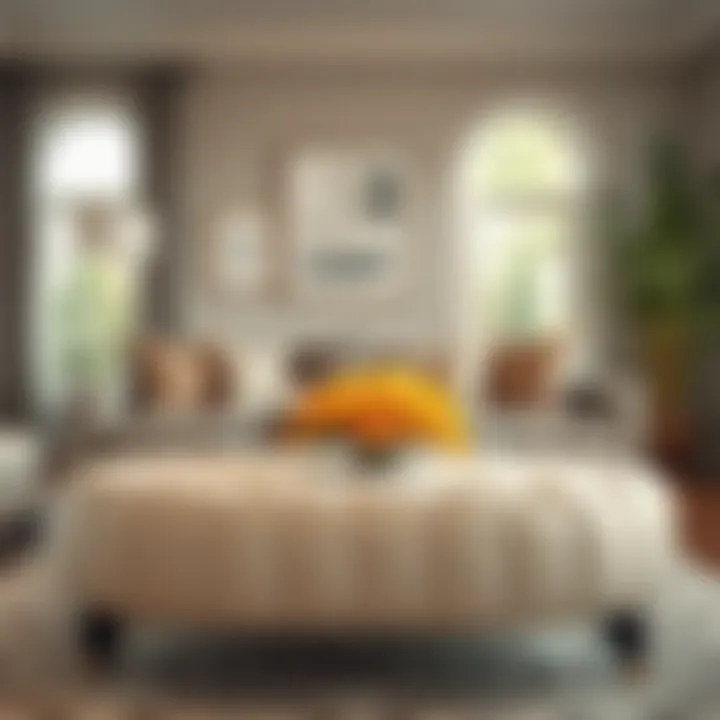
Tufted ottomans are a classic choice that often conveys a sense of elegance and sophistication. Typically covered in fabric or leather with buttons stitched in, these ottomans add texture and visual interest. They can provide both comfort and style, making them ideal for living and dining rooms.
The tufting process, which involves pulling fabric tight around the cushioning, creates a plush appearance that invites relaxation. Beyond their aesthetic appeal, tufted ottomans can serve as versatile seating options. While they easily fit into contemporary or traditional settings, choosing colors and patterns that blend well with existing decor can enhance their effectiveness as accent furniture.
"A tufted ottoman can be the cherries on top of your decor sundae, balancing style with comfort."
Storage Ottomans
The modern home craves multifunctional furniture, and storage ottomans fit that bill perfectly. These practical pieces are designed to not only serve as footrests or additional seating but also to discreetly store items, ranging from blankets to toys or even remote controls. This dual functionality can help keep your living space tidy while ensuring you have extra seating at your disposal.
When choosing a storage ottoman, consider how much space you need. It’s sensible to assess what you want to store and select an ottoman with the appropriate dimensions. Styles can vary widely too, from sleek leather options that suit an upscale aesthetic to colorful fabric choices that brighten a family room.
Ottomans as Coffee Tables
The versatility of ottomans extends to their use as coffee tables. Utilizing an ottoman in this way offers a soft surface that can be more forgiving than a traditional coffee table. This can be particularly appealing in homes with young children or where safety is a concern.
An ottoman can be topped with a tray to hold drinks or decor items, thus functioning as both a decorative and practical element in a living area. When selecting an ottoman for this purpose, it's essential to consider height and proportion—the right fit will allow for comfortable access while maintaining balance with the surrounding furniture.
Footstools and Poufs
Footstools and poufs are synonymous with relaxation. These diminutive ottomans provide an informal option to put your feet up after a long day. They are often lightweight and can be easily moved around, making them ideal for spontaneous gatherings or when you simply need extra seating.
Poufs, typically made from materials like knitted fabric or leather, are often round, adding an organic shape to your decor. Their vibrant colors can also serve as visual punctuation within a more neutral palette.
When considering fluffier options like poufs, be mindful of their filling materials, as firmness can vary significantly. An appropriately chosen footstool or pouf not only enhances comfort but also contributes a lively touch to the overall atmosphere of a room.
Selecting an Ottoman for Your Space
Selecting the right ottoman is more than just chance; it requires a bit of deliberation. As you consider this piece of furnishings, you need to think about how it can complement your overall decor while serving its intended purpose. An ottoman can provide a pop of color, an extra seat, or even hidden storage. Assessment of size, color, material, and functionality are pivotal points in this decision-making process.
Assessing Size and Proportions
When it comes to size, proportions can make or break the aesthetic balance in your room. The key is finding an ottoman that suits the dimensions of your space. Consider the layout of your room first. If you have a petite living area, opt for a smaller ottoman—nothing gaudy that might overshadow the rest of the space. A larger ottoman can work wonders in a spacious room, acting as a central piece that anchors the furniture together.
"Choosing the right size ensures that your ottoman serves its purpose without overwhelming your decor or feeling lost in space."
Here are some size considerations:
- Measure the area where you want to place the ottoman.
- Consider the height relative to other furniture, such as your sofa.
- Think about how many people you usually entertain; a big crowd might need a larger ottoman.
Considering Color and Pattern
Next comes the fun part—color and pattern. Ottomans can be statement pieces or subtle additions, depending on your design sensibility. Decide if you want your ottoman to match your existing palette or make a bold contrast. A vibrant pattern can add life to a neutral room, whereas a solid color might provide a more sophisticated touch.
Here’s what you can look for:
- Harmonious Colors: Choose hues that align with your existing color scheme to create a cohesive look.
- Patterns: If you go with patterns, ensure they reflect the overall style of your home, whether that’s traditional, modern, or eclectic.
- Accents: Think about adding an ottoman that might incorporate accents from other decor elements, like throw pillows or curtains.
Choosing the Right Material
Material is another critical element that impacts both functionality and aesthetic. There are various materials to choose from, and each brings its own character and durability. For instance, leather might be luxurious and easy to clean, but fabric options can offer more comfort.
Consider these materials:
- Leather: Durable and classic, but can heat up in summer.
- Fabric: Offers a cozy feel, perfect for a homey setting. Look for stain-resistant fabrics if you have kids or pets.
- Wood or Metal Frames: If you want something sturdy with a modern touch.
In sum, taking the time to assess size, color, and material can make all the difference in finding an ottoman that enriches your space while fulfilling practical needs. With careful thought, your ottoman can become not just a piece of furniture, but a reflection of your unique style.
Ottomans in Different Living Styles
The role of ottomans in home decor varies significantly across different living styles. Whether you're swayed by simplicity, vibrant bohemian aesthetics, or sleek contemporary trends, the ottoman serves as a versatile element that can enhance or define the character of a space. This chapter will delve into how these cozy pieces can seamlessly blend with various styles while providing practical benefits.
Minimalist Designs
In a minimalist setup, where less truly is more, the ottoman is often selected for its clean lines and unobtrusive design. The essence of minimalism is to promote a sense of tranquility, which is why a simple ottoman can function as both a subtle accent as well as a practical addition. Imagine a low-profile rectangular ottoman in a muted hue, nestled beside a small, square coffee table.
- Key qualities in minimalistic ottomans:
- Unadorned surfaces: Look for fabrics without patterns.
- Neutral colors: Shades like beige, gray, or soft pastels complement the aesthetic.
- Functional form: Opt for an ottoman that serves multiple purposes, such as creating a seating area or providing additional surface space.
This simplicity allows the focus to remain on open space, enabling an uncluttered environment that feels larger and invites relaxation.
Bohemian Aesthetics
Bohemian design throws a vibrant, flavorful punch to any room. It celebrates individuality and expressive decor. An ottoman in a space influenced by this style could feature colorful textiles, intricate patterns, and varied textures. Think of a round pouf made from vibrant, handwoven fabrics that speaks of culture and travel. It’s an excellent choice for this theme, providing both charm and functionality.
- Features of bohemian ottomans:
- Eclectic fabrics: Choices like kilim or macramé can add depth.
- Bold colors: Funky, bright hues like turquoise, fuchsia, or mustard can enliven the space.
- Accessibility: A pouf makes for informal seating when entertaining or lounging.
By integrating such pieces, homeowners create an imaginative environment that feels welcoming without adhering too strictly to conventional design rules.
Contemporary Trends
Contemporary decor is characterized by the ever-changing embrace of modern styles. In this domain, ottomans can push the envelope of design. They're often crafted from unconventional materials like metals or unconventional shapes, evolving beyond their traditional form. A chic, leather ottoman with a metallic base does wonders to spice up a contemporary living room ensemble.
- Modern ottoman attributes:
- Innovative materials: Synthetics and recycled materials are on the rise.
- Unique silhouettes: Geometric shapes or even asymmetrical forms catch the eye.
- Colorful accents: A bold, unconventional color can make an impressive statement.
These ottomans do more than just sit around; they act as conversation starters and pieces of art in their own right.
"In every living style, the ottoman becomes not just an accessory but a centerpiece that holds the space and invites usability, defining the tenor of the room."
In summary, an ottoman’s adaptability across different living styles is a testament to its enduring appeal. By understanding how to select the right ottoman for specific styles – be it minimalist, bohemian, or contemporary – homeowners can effortlessly enhance both the functionality and aesthetic charm of their homes.
Functional Aspects of Ottomans
When discussing the significance of ottomans in home decor, one cannot overlook the myriad of functionalities they offer. Beyond their traditional roles as mere footrests or decorative pieces, ottomans elevate living spaces into realms of practicality and comfort. Their versatility makes them an invaluable asset for homeowners, designers, and decorators alike. So, let's dig into some of the key functional aspects that make ottomans essential.
Multipurpose Furniture Solutions
Ottomans shine in their ability to adapt and serve multiple functions. This is not just about having another piece of furniture; it's about finding clever solutions in space management. For instance, storage ottomans provide hidden compartments that can cleverly house blankets, toys, or books. Imagine a living room where every piece counts — a storage ottoman can act as a stylish seat while also housing your home's clutter.
Advantages of Multipurpose Ottomans:
- Flexibility: With the right design, an ottoman can easily shift between a coffee table, seating, or additional storage.
- Space-saving: They are especially beneficial for those living in smaller spaces where every inch matters.
- Cost-effective: Instead of purchasing numerous furniture pieces, a single ottoman can fulfill diverse roles, thereby saving money.
Ultimately, the ability of an ottoman to transition seamlessly between roles is what makes this piece of furniture such a smart investment in any decor scheme.
Comfort and Usability
Comfort is another paramount consideration when integrating ottomans into home decor. Soft, cushioned ottomans provide a welcoming spot to rest your feet after a long day. The usability of ottomans extends beyond simple comfort; their adaptability enhances the user experience.
Key Aspects of Comfort and Usability:
- Ergonomic Design: Many ottomans are crafted with user comfort in mind. Rounded edges and breathable fabrics can add to overall usability, making them ideal for informal gatherings.
- Height Variety: Available in different heights, ottomans allow for a comfortable pairing with other furniture pieces like sofas or chairs.
- Versatile Placement: They can easily be moved around, making them suitable for impromptu gatherings or everyday use, thus ensuring a stress-free environment.
An ottoman is not just a decorative element; it’s a vital piece of the practical puzzle of modern living. Its functionality extends beyond the visual appeal, affecting how people interact with their spaces.
"Comfort is key. When an ottoman is both functional and cozy, it transforms the atmosphere of a room into something more inviting."
Thus, when considering your home decor, don’t simply think of aesthetics; think about how every piece, especially ottomans, contributes to comfort and functionality.
In summary, ottomans embody a unique blend of efficiency and style, making them worthy of careful consideration in any decor decisions.
Trends in Ottoman Design
The world of ottomans is much like a lively marketplace, bustling with fresh ideas and inventive styles. As we step into a new era of home decor, understanding the latest trends can help homeowners and decorators select pieces that not only serve a purpose but also make a substantial statement in a room.
Sustainable Materials and Practices
In today's climate-conscious society, sustainability has burrowed its way into every nook and cranny of home design, including ottomans. Choosing ottomans made from eco-friendly materials not only helps to reduce your carbon footprint, but also brings an element of warmth to your home.
When looking for sustainable options, consider these types of materials:
- Recycled Fabrics: Some ottomans use fabrics derived from recycled plastics or other materials, turning trash into treasure.
- Bamboo and Cork: Fast-growing and sustainable, bamboo and cork are gaining traction in furniture production, offering durability alongside environmental benefits.
- Natural Fibers: Look for ottomans crafted with organic wool, cotton, or hemp, which are often more biodegradable.
"Sustainable design allows us to promote a lifestyle that values our environment as much as our decor."
Incorporating sustainable ottomans into a living space can reflect a homeowner’s values while making a visually appealing choice. Additionally, brands are increasingly taking initiatives to reduce waste in their manufacturing processes, so research brand practices can make a big difference.
Smart and Innovative Features
Today's ottomans aren’t just pretty faces; many come with smart functionalities that marry design with everyday convenience. The integration of technology and innovative design elevates their roles in the home.
Smart ottomans can include:


- Built-in Charging Ports: More than just a seat, some designs feature USB ports for charging devices, making them suitable for modern lifestyles that often rely on technology.
- Modular Designs: These allow for customization; multiple ottomans can be rearranged as needed, adapting to various situations and spaces.
- Convertible Features: Some ottomans can effortlessly transform into beds or tables, providing versatility that meets the evolving demands of a home.
Additionally, ottomans equipped with storage options have risen in popularity, offering practical solutions for those struggling with clutter.
As we embrace this era of multifunctionality, the humble ottoman has taken on new meanings, evolving from a mere decorative piece to a smart addition that perfectly balances utility and aesthetic appeal. It’s about merging innovation with elegance, enhancing the way we live in our spaces.
Integrating Ottomans into Your Home
When you think of home decor, ottomans might not be the first thing that comes to mind, but integrating them into your living spaces can bring about impressive changes. They serve not only as functional pieces of furniture but also as crucial design elements that can tie a room together. Choosing the right ottoman can enhance the visual aesthetics of a space, providing both utility and style. Therefore, understanding how to dynamically integrate ottomans into your home is essential for anyone looking to elevate their interior.
Living Room Concepts
In the living room, ottomans have a unique ability to complement seating arrangements. Imagine a well-furnished space, with a lovely couch sitting across from a pair of accent chairs. Now, juxtapose that with a chic ottoman in the center; it adds visual interest and a sense of cohesion to the arrangement. Whether you choose a tufted style or a more modern minimalist design, ensure that it aligns with the overall theme of the room.
Ottomans can also serve as additional seating during gatherings, allowing your space to function efficiently when entertaining guests. Consider large sectional couches that might feel incomplete without a limelight-catching ottoman to make the space feel open and welcoming.
"A well-placed ottoman can transform your living room, making it feel both cozy and stylish at the same time."
Bedroom Applications
The bedroom often demands versatility and comfort. An ottoman at the end of the bed serves a dual purpose: it acts as a stylish accessory while providing a spot to lay down clothes or even sit while putting on shoes. Look for storage ottomans that can hide away blankets or books, making them practical as well.
Consider the color and fabric of your ottoman as well; a plush velvet ottoman introduces warmth and richness, while a sleek leather piece conveys a more modern vibe. Remember that in a space meant for relaxation, it’s crucial to choose something that both feels good and looks good.
Dining and Kitchen Use
Traditionally, kitchens are not known for fostering a captivating decor, but incorporating ottomans can change that perception. In smaller kitchen spaces, colorful ottomans can liven up a corner while providing extra seating for casual breakfasts or coffee chats. Alternatively, a sophisticated fabric ottoman can be a trendy stand-in for a traditional dining chair.
They can serve as multifunctional pieces in a home with open concepts, blending seamlessly between the dining area and the kitchen. When family gatherings draw near, an ottoman that can easily be moved around becomes a valuable asset for seating needs.
Integrating ottomans into various areas of your home not only adds functionality but also enriches the decor with their adaptability. These pieces can truly shape the atmosphere in your spaces, making your interiors both practical and inviting.
Caring for Your Ottoman
Caring for your ottoman is more than just keeping it looking good; it’s about preserving its functionality and prolonging its life. You invested time and thought into selecting the perfect ottoman for your home, and just like any furniture piece, regular care is imperative. Not only does proper maintenance help retain the aesthetic appeal, but it also ensures that it remains a comfortable and useful part of your living space. Let’s explore the critical aspects of ottoman care from cleaning techniques to maintenance tips.
Cleaning Techniques by Material
Cleaning an ottoman can depend quite heavily on the materials used. Each fabric or surface requires different treatment to avoid damage. Here are some nifty tips for various materials:
- Fabric Ottomans: For fabric surfaces, dusting regularly prevents dirt from embedding in the fibers. Spot cleaning with a mild detergent mixed with water can work wonders. A soft brush or cloth is essential; scrubbing too hard might ruin the fabric.
- Leather Ottomans: These require a bit more tenderness. Dusting the surface with a microfiber cloth is a great start, but be cautious about using too much moisture. Use leather conditioner every few months to maintain suppleness.
- Faux Leather: Slightly more forgiving than genuine leather, faux leather can benefit from a gentle wipe with a damp cloth to keep it clean. Avoid harsh chemicals which could lead to peeling.
- Wooden Ottomans: If your ottoman has wooden elements, a damp cloth followed by a dry one should suffice. Use wood polish periodically to preserve the shine and prevent scratches.
- Ottomans with Storage: Don’t neglect the inside. Regularly empty and clean storage compartments to deter musty smells or mildew buildup.
It’s essential to pay attention to your ottoman’s care instructions, which are often given by the manufacturer. A little effort can go a long way in ensuring its longevity.
Maintenance Tips for Longevity
Longevity is key when it comes to furniture, especially if it sees a lot of activity. Here are some practical tips to help extend the life of your ottoman:
- Rotate Usage: If your ottoman offers multiple seating or usage areas, consider rotating these spots regularly. This helps to distribute wear and tear more evenly.
- Use Coasters: For ottomans used as coffee tables, having coasters is a must. It is a simple practice that prevents water rings from beverages.
- Avoid Excessive Weight: Be mindful of how much weight is placed on it. Though ottomans are designed to be sturdy, excessive strain can affect their structural integrity.
- Keep Away From Sunlight: Direct sunlight can fade colors over time, especially for fabric and leather. Positioning your ottoman in areas less likely to receive direct sun can help retain its vibrancy.
- Regular Inspections: Periodically check for loose seams, cracks, or anything unusual. Early catch can often mean easy fixes, saving you from larger repair costs later.
By paying attention to these care techniques and maintenance tips, your ottoman can retain its charm and remain a delightful piece in your home for years to come. Embracing these practices not only nurtures your investment but also keeps your living space looking sharp and welcoming.
Closure: The Lasting Appeal of Ottomans
In the realm of home decor, few furnishings hold as much versatility and charm as ottomans. They aren't just footrests or extra seating; they play a multifaceted role in shaping how a space feels and functions. Whether you're in a tiny apartment or a sprawling house, the incorporation of an ottoman offers both aesthetic and practical benefits.
One of the most appealing aspects of ottomans is their ability to blend seamlessly with various design styles. From the sleek lines of minimalist furnishings to the vibrant patterns of bohemian decor, ottomans can act as a unifying element that ties a room together. They can easily transform the atmosphere with just the right color or texture, thereby enhancing the overall vibe of the living space.
Final Thoughts
As we take a step back and reflect on the exploration of ottomans, it's crucial to acknowledge their adaptability. It’s not just about style; their functionality as storage solutions or as makeshift tables introduces a level of resourcefulness that modern homeowners greatly value. In a society that often prioritizes small-space living, the ottoman stands out as a practical piece of furniture that doesn’t sacrifice aesthetics for utility.
Moreover, the emotional connection we form with our decor shouldn't be overlooked. An ottoman can be more than just furniture; it can become a centerpiece for family gatherings, a spot where guests will gather to unwind, or even the perfect place for a cozy evening with a book.
Future of Ottoman Design
Looking ahead, the future of ottoman design seems promising. With increasing awareness of sustainability, expect to see more ottomans made from eco-friendly materials that don't compromise on style. Additionally, the trend of smart furniture is likely to infiltrate the ottoman market. Imagine an ottoman equipped with built-in chargers that can power up devices while you kick back, or one with modular options that allow customization based on your needs.
In an age where individualism in home design is paramount, the ottoman remains a steadfast choice for enhancing living spaces without losing its essential functionality. Its enduring appeal lies in its ability to adapt and evolve, making it a staple in both contemporary and classic decor.
In summary, ottomans capture the essence of functional beauty, allowing for both creativity and comfort in any home setting. Wherever they are placed, they naturally enhance the lived experience.